Neuroscience camp: Teens learn about mental health

image.img.620.high
Photo by Norbert von der Groeben

As a teenager, I spent summers swimming and sunbathing at the community pool. However, many teens from around the country found something more interesting to do this summer: neuroscience summer camp at Stanford.

Over 100 high school students attended Clinical Neuroscience Internship Experience (CNI-X) 2016 — an intensive, weeklong summer program that introduced them to the breadth of work underway by researchers from the Department of Psychiatry and Behavioral Sciences. Students came from throughout the Bay Area and as far away as Georgia and New York.

Several dozen department faculty members taught 90-minute classes, ranging from introductory seminars to hands-on workshops and laboratory tours.

For example, in one session, the teens constructed brains out of Play-Doh, shown above. In another, Kate Hardy, DClinPsy, clinical assistant professor of psychiatry and behavioral sciences, taught a group exercise designed to build empathy for people that hear voices, such as schizophrenics. During the exercise, two students conversed while a third whispered in one’s ear. Hardy described the results in a recent news story:

“Some students said they found it hard to concentrate; others said the experience was scary or threatening. When I do this exercise with adults, it’s difficult to get them to respond. The teens got right into it. There’s a great benefit to exposing people at that age to the prevailing preconceptions of psychosis and reduce the stigma, even at a small scale.”

The goals of the CNI-X program are to identify promising students interested in mental health and to destigmatize mental illness through education.

“With CNI-X, our faculty are taking the most direct route to the future — by introducing incredibly bright, motivated young people to the excitement and diversity of clinical neuroscience,” said CNI-X program co-director Laura Roberts, MD, MA, professor and chair of psychiatry and behavioral sciences, and chief of the psychiatry service at Stanford Health Care. “We introduce novel science to the interns…. My guess is that in several years we will see some of these students in our medical school classrooms.”

This is a reposting of my Scope blog story, courtesy of Stanford School of Medicine.

Intermittent fasting: Fad or science-based diet?

Photo by Jean Fortunet

The diet regime of intermittent fasting recently caught my attention when listening to an episode of  This American Life on my car radio. And then a close friend told me he’s planning to switch from a low-carbohydrate diet to some form of intermittent fasting.

I got to wondering, though: Are the health-benefit claims from intermittent fasting backed up by scientific evidence?

Research studies have shown that reducing your daily caloric intake by 20 to 40 percent is an effective way to lose weight and improve cardiovascular and metabolic health. However, it’s very difficult to eat less every day for a long time. So people are looking for more manageable ways to improve their health, and many are turning to intermittent fasting — short periods of eating little to no energy-containing food and drink.

To learn more about intermittent fasting, I turned to fasting expert John Trepanowski, PhD, postdoctoral research fellow at the Stanford Prevention Research Center for answers:

What are the health benefits of a calorie-restricted diet?

Calorie restriction is probably the most scientifically established diet regimen for improving health. The main benefits include improvements in risk indicators for cardiovascular disease and type 2 diabetes, which include reductions in total cholesterol level, blood triglycerides, blood pressure, carotid intima-media thickness, insulin and fasting glucose. The biggest limitation is that most people find it incredibly challenging, and some find it impossible, to follow a calorie-deprived diet for any notable length of time.

Why has intermittent fasting become increasingly popular?

Michael Mosley’s “Eat, Fast and Live Longer” documentary on the BBC introduced millions of people to intermittent fasting. Beyond that, I think intermittent fasting is appealing to many people, because they can lose weight on the diet but still have guilt-free days of eating what they want on a regular basis.

There is an increasing number of studies that suggest that intermittent fasting is a viable approach to weight loss for some. But you will have to wait until the results of my doctoral thesis are published to see if intermittent fasting is as effective for weight loss as daily calorie restriction (shameless plug!). And no study to date has examined whether intermittent fasting is effective in people who previously tried and were unsuccessful at calorie restriction.

Can you give examples of different types of intermittent fasting?

The 5:2 diet is a particular form of intermittent fasting, with five consecutive “normal” days of no restriction followed by two consecutive days of eating only 25 percent of your energy needs. I believe there have been two studies on the 5:2 diet in humans, and both studies found that the benefits were mostly the same as calorie restriction, such as weight loss and decreases in insulin.

Time-restricted feeding involves reducing the window of time to anywhere between four to twelve hours that someone takes in calories each day. The theory behind this dietary plan is that we have a circadian rhythm that calls for food intake at times and no food intake at other times in order to experience optimal health. Continuously eating, without periods of no food intake, disrupts the circadian clock and leads to metabolic derangements — such as lowered energy expenditure and elevated glucose and insulin.

Time-restricted feeding could lead to weight loss by harmonizing our eating pattern with our circadian rhythm, or it could be simply due to the fact that there are fewer “opportunities” to take in energy. And some people will lose weight due to following any type of structured eating plan, regardless of the specifics.

It’s very hard to do an accurate intermittent fasting study in humans, because it’s really difficult to get an accurate measurement of what people eat at any particular time of day. The main disadvantage of time-restricted feeding is resisting the temptations that come from our 24-hour-access-to-food environment, but that disadvantage exists with all dietary plans.

What inspired you to study different diets?

I met a very inspirational professor, Richard Bloomer, PhD, at the University of Memphis. I helped him run some studies on the Daniel Fast, which is a more stringent form of veganism based on the biblical book of Daniel. From there I wrote some review articles on fasting and calorie restriction, and I decided to study a form of intermittent fasting called alternate-day fasting for my PhD.

As a postdoctoral research fellow at the Stanford Prevention Research Center, I’m now studying factors that predict weight loss success on low-fat and low-carbohydrate diets. I am also doing meta-research — basically “research on research” to find ways to do science better.

Have you ever fasted?

I have done the Daniel Fast. It’s pretty tough. If you want to expand your cooking skills, I suggest doing the Daniel Fast. There’s no way to eat anything on this diet that is both warm and appetizing without following good cooking principles.

A cautionary note: In his review of fasting studies, Trepanowski said daily calorie restriction and alternate-day fasting do not appear to increase eating and mood disturbances among research participants who did not have an eating disorder. However, it’s best to speak with your physician before starting an intermittent fasting regimen, particularly for those with a history of or at risk for eating disorders.

This is a reposting of my Scope blog story, courtesy of Stanford School of Medicine

What color is your cloud? Study finds large variability in resident workloads

Photo by Scott Schiller

For decades medical residents have put themselves into two camps: “black clouds” and “white clouds.” Black-cloud residents carry with them the bad luck of consistently getting a patient load that requires more work; the perceived workload intensity and stress may keep them pacing the halls at night, while their white-cloud counterparts are likely to sleep peacefully while on call.

Does this cloud status actually exist, though? Adam Was, MD, fourth year Stanford resident of pediatrics and anesthesia, decided to find out. The results of his study were just published in Pediatrics.

“The study was inspired by my late-night argument with other interns about our workloads,” said Was. “We commonly discuss what type of cloud we have, meaning what kind of workload. So one of the interns said his workload was really high, but someone else argued that we all have the same workload and he was just complaining about it more. I realized that we could do an objective, rigorous study of actual workloads to get a real answer.”

With the help of KT Park, MD, assistant professor of pediatric gastroenterology and senior author of the study, Was measured the workload of twenty-six pediatric residents during the six core inpatient rotations of their intern year — to make sure they were comparing “like to like.” Using the Stanford Children’s Health research database, they quantified the workload intensity of each of the residents based on the number of electronic notes and orders that they wrote while in the hospital. Was explained:

“ We wanted to focus on objective data that described the work done at the hospital, as opposed to just the number of hours spent there. Residents do a lot of things that aren’t captured in electronic notes and orders, but we found this data to be the most robust and representative.”

And the outcome? The differences are real. The researchers found a very significant variability of workload intensity between the residents. High-workload residents wrote 91 percent more orders and 19 percent more notes than low-workload residents. Here’s Park:

“I really thought that we were going to conclusively lay to rest this idea that there is statistically significant workload variability between residents. I was very surprised. We did sophisticated mathematical models and there is no way around it — there are high-workload and low-workload residents. There is no ethological explanation right now, and it remains a big question mark especially for program directors.”

Thinking through the study’s implications from a program director’s point of view was the main role of the third author, Becky Blankenburg, MD, clinical associate professor of pediatrics and pediatric residency program director, who thinks the results can guide residency directors. “This data provides more information for resident assessments and will allow us to better individualize the residents’ curriculum based on what they’ve really been exposed to,” she said.

Determining the root causes behind this workload variability is beyond the scope of their study. However, the authors have a few of their own theories.

One belief: high-workload or black cloud residents behave differently than their white cloud colleagues. For example, some black cloud residents may be inefficient, while others may create extra work for themselves. And some white cloud residents may need to be more vigilant.

“I would like to get into the heads of the residents in real time,” Park said. “As they put in that note or order or take that phone call, what is the impetus? From my observation, anxiety and perfectionistic tendencies drive them to do more than what’s necessary for effective patient care.”

Blankenburg agreed, “Some residents early on learn to look at the big picture and some see only the trees without seeing the forest. Another important factor is how comfortable people are with ambiguity. If you’re able to deal with ambiguity better, you might not order as many tests.”

The researchers are contemplating how best to use this information and how to design a follow-up study to understand the root causes of resident workload variability. One idea is to somehow incorporate peer evaluations, since their study found self-assessments to be inaccurate. “I think peers would do the best job of picking up on cloud status or workload intensity,” Blankenburg said.

Although successful, did the study settle the late night argument that inspired it?

“The study data was annonymized, so we don’t know who was who,” said Was. “So I never got to settle my original argument of whether I was doing more or less work. Before the study, I thought I was a black cloud. Afterwards, I feel like I’m a confused and possibly grey cloud.”

This is a reposting of my Scope blog story, courtesy of Stanford School of Medicine.

Enlisting artificial intelligence to assist radiologists

Photo by Gerd Leonhard

Specialized electronic circuits called graphic processing units, or GPUs, are at the heart of modern mobile phones, personal computers and gaming consoles. By combining multiple GPUs in concert, researchers can now solve previously elusive image processing problems. For example, Google and Facebook have both developed extremely accurate facial recognition software using these new techniques.

GPUs are also crucial to radiologists, because they can rapidly process large medical imaging datasets from CT, MRI, ultrasound and even conventional x-rays.

Now some radiology groups and technology companies are combining multiple GPUs with artificial intelligence (AI) algorithms to help improve radiology care. Simply put, an AI computer program can do tasks normally performed by intelligent people. In this case, AI algorithms can be trained to recognize and interpret subtle differences in medical images.

Stanford researchers have used machine learning for many years to look at medical images and computationally extract the features used to predict something about the patient, much as a radiologist would. However, the use of artificial intelligence, or deep learning algorithms, is new. Sandy Napel, PhD, a professor of radiology, explained:

“These deep learning paradigms are a deeply layered set of connections, not unlike the human brain, that are trained by giving them a massive amount of data with known truth. They basically iterate on the strength of the connections until they are able to predict the known truth very accurately.”

“You can give it 10,000 images of colon cancer. It will find the common features across those images automatically,” said Garry Choy, MD, a staff radiologist and assistant chief medical information officer at Massachusetts General Hospital, in a recent Diagnostic Imaging article. “If there are large data sets, it can teach itself what to look for.”

A major challenge is that these AI algorithms may require thousands of annotated radiology images to train them. So Stanford researchers are creating a database containing millions of de-identified radiology studies, including billions of images, totaling about a half million gigabytes. Each study in the database is associated with the de‐identified report that was created by the radiologist when the images were originally used for patient care.

“To enable our deep learning research, we are also applying machine learning methods to our large database of narrative radiology reports,” said Curtis Langlotz, MD, PhD, a Stanford professor of radiology and biomedical informatics. “We use natural language processing methods to extract discrete concepts, such as anatomy and pathology, from the radiology reports. This discrete data can then be used to train AI systems to recognize the abnormalities shown on the images themselves.”

Potential applications include using AI systems to help radiologists more quickly identify intracranial hemorrhages or more effectively detect malignant lung nodules. Deep learning systems are also being developed to perform triage — looking through all incoming cases and prioritizing the most critical ones to the top of the radiologist’s work queue.

However, the potential clinical applications have not been validated yet, according to Langlotz:

“We’re cautious about automated detection of abnormalities like lung nodules and colon polyps. Even with high sensitivity, these systems can distract radiologists with numerous false positives. And radiology images are significantly more complex than photos from the web or even other medical images. Few deep learning results of clinical relevance have been published or peer-reviewed yet.”

Researchers say the goal is to improve patient care and workflow, not replace doctors with intelligent computers.

“Reading about these advances in the news, and seeing demonstrations at meetings, some radiologists have become concerned that their jobs are at risk,” said Langlotz. “I disagree. Instead, radiologists will benefit from even more sophisticated electronic tools that focus on assistance with repetitive tasks, rare conditions, or meticulous exhaustive search — things that most humans aren’t very good at anyway.”

Napel concluded:

“At the end of the day, what matters to physicians is whether or not they can trust the information a diagnostic device, whether it be based in AI or something else, gives them. It doesn’t matter whether the opinion comes from a human or a machine. … Some day we may believe in the accuracy of these deep learning algorithms, when given the right kind of data, to create useful information for patient management. We’re just not there yet.”

This is a reposting of my Scope blog story, courtesy of Stanford School of Medicine.

Becoming Doctors: a podcast featuring Stanford medical students is revived

2743534799_e1c988d6be_z
Photo by Patrick Breitenbach

I admit it: I’m an NPR and podcast junky. I tune in every Saturday to NPR’s Wait Wait… Don’t Tell Me and This American Life, and I can’t wait for the third season of Serial. So I was extremely excited to hear that Stanford Medicine’s podcast, Becoming Doctors, was being relaunched.

A School of Medicine graduate, Danica Lomeli, MD, originally started the podcast series to document and share the intense clinical experiences of her classmates as they trained to become physicians. After making several episodes, Lomeli passed the project on to Stanford medical student Emily Lines — a perfect fit, since Lines was a DJ at college radio stations throughout undergraduate and graduate school.

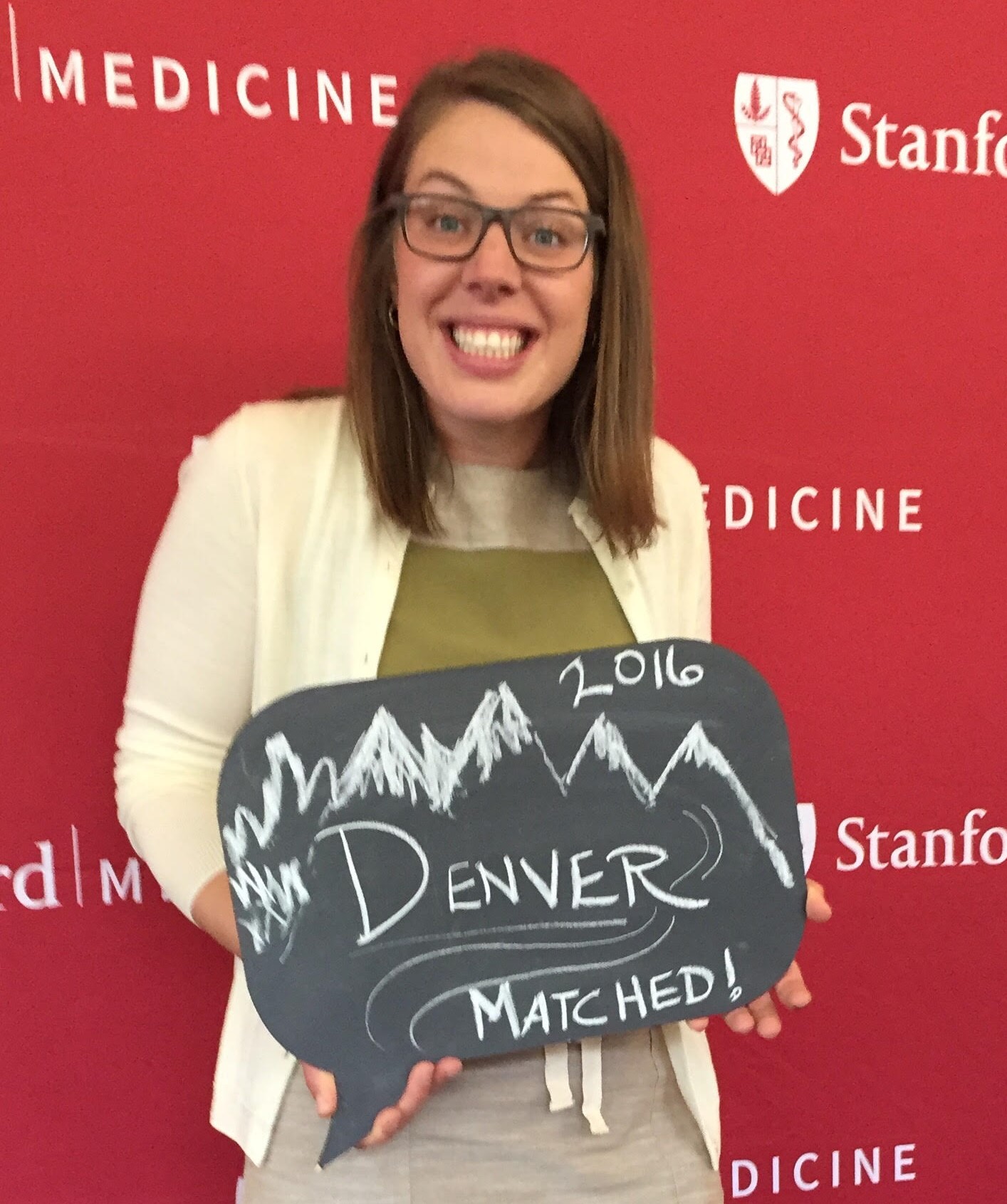
Initially Lines, shown here, used Becoming Doctors to share the stories of pre-clerkship students in their first two years of medical school, as described previously in Scope. Lines is now graduating and moving on to a residency in family medicine at the University of Colorado, Denver. Before she leaves, she relaunched her podcast to document the stories of a few of her fellow medical students who are interested in primary care and community medicine.

Emily Lines on match day (courtesy of Emily Lines)

There are three new episodes available and a few more are on their way. Each episode is between 10 to 20 minutes long.

For instance, in the new “Adding Layers” podcast, Paula Trepman shares why she is interested in family medicine — based on her experiences as an undergraduate working abroad at rural primary care centers and her clinical experiences through Stanford at the Pacific Free Clinic and Mayview Community Health Center.

Lines told me about her new podcasts in recent emails:

What inspired you to relaunch Becoming Doctors with a new focus on primary care?

As I was interviewing for residency positions in family medicine, I met so many extraordinary people from other medical schools. I was really inspired by the types of things they were doing to promote primary care and family medicine in their programs. In turn, I was also eager to share with them what was happening at Stanford — many people were surprised to learn about the growing presence of the field at a research university. It seemed like a natural transition to use my podcast to seek out the stories of those who are championing primary care at Stanford, and to share them.

There’s a really incredible group of people at Stanford who are doing academic research in primary care, advocating for primary care in medical education, and starting grassroots organizations in local communities. Others are just delighting in taking advantage of the clinical educational opportunities in primary care here at Stanford. I wanted to give voice to our inspiring community!

My first portion of the podcast series focused on pre-clerkship students. This relaunch addresses students from all stages who are interested in primary care and community medicine. There’s value to looking at why students are drawn to primary care at the start of medical school, as well as how their clinical experiences shape this interest.

Why do you want to document the stories of medical students?

My podcast has always been centered on the idea that storytelling is an incredible tool for medical students. By telling our stories, we can develop a practice of introspection and mindfulness about our challenging career. It allows us to stop and think about what we are seeing and experiencing and to decide how we want to assign meaning to these experiences. By listening to these stories, we also learn to see the world from another perspective, which is ever valuable as a clinician.

In the era of the Affordable Care Act and healthcare reform, our eyes are on primary care as one of the main channels to improve the health of our country. I’m eager to see the role Stanford will play in this process, both from a research and clinical perspective. I thought it would be timely to document some student experiences in this changing era.

What is your favorite podcast (besides Becoming Doctors)?

NPR’s This American Life inspired this podcast — it used to be called This Medical Student Life! However, my personal favorite is a podcast called the Dirtbag Diaries. I’m a rock climber and general lover of the outdoors and it’s a podcast about great people who do great things outside!

This is a reposting of my Scope blog post, courtesy of Stanford School of Medicine.

Genetics of sea creatures: One researcher uses her science training to help the environment

IMG_2195
Photo courtesy of Lauren Liddell

Lauren Liddell, PhD, developed a passion for genetics early at a girls science day at her Michigan middle school, when she extracted the DNA of a banana.

Nearly two decades later, Liddell now works as a postdoctoral research fellow in genetics at Stanford School of Medicine. Unlike most of her departmental colleagues who study health sciences, Liddell is applying her molecular genetics expertise to one of the most critical environmental challenges that we face today: climate change. I recently spoke with Liddell about her research and her participation in the Rising Environmental Leadership Program, a year-round program that helps graduate students and postdoctoral fellows hone their leadership and communications skills.

How did you end up studying sea anemones at Stanford School of Medicine?

As a freshly minted PhD studying molecular genetics, I approached John Pringle, PhD, about working as a postoc in his lab. … Several years ago, John’s passion for scuba diving and overall curiosity led him to shift his research to tackle environmental problems. Specifically, we’re trying to understand sea anemone-algae symbiosis, in the hopes of discovering things that may be useful for coral conservation.

Coral reefs are a poster child for climate change right now, because coral is dying — about 35 percent of the Great Barrier Reef off the coast of Australia is already dead or dying through a process called bleaching. Bleaching is caused by the loss of the symbiotic algae that live in the guts of coral. Normally the gut algae collect energy from the sun and turn it into food that supports the life of the coral host. As ocean temperatures rise and the ocean acidifies, the algae leave the coral host and the coral starves and bleaches — bleached coral reefs are basically the skeletons.

So we use sea anemones in the lab to study coral, similar to how scientists use mice to study human processes. We’re studying Aiptasia sea anemones as a model for coral reef bleaching, because sea anemones are easier to work with in the lab and they have the same gut algae, Symbiodinium, as coral reefs. We want to understand what goes wrong with symbiosis when ocean temperatures and acidity increase.

What have you found?

We’re trying various genetic methods to identify the genes that are important for this symbiosis. We’re also investigating how some corals are able to survive bleaching, whereas others die off. We have two main strains of sea anemones and multiple “flavors” of Symbiodinium algae that we use to test how the different environmental stressors, like heat and acidity, affect symbiosis.

Surprisingly, we’ve found that the Hawaiian sea anemone is less tolerant to heat stress than the Floridian strain. And even more exciting, we’ve found that the Symbiodinium “flavor” can affect the ability of the sea anemone host to resist heat!

Describe your experience with the Rising Environmental Leadership Program?

The Rising Environmental Leadership Program (RELP) is an exciting program for people who are passionate about making a real impact on society. The program included a week-long boot camp in Washington D.C., where we met with Congress, nonprofit organizations like the Nature Conservancy, and governmental agencies like the Environmental Protection Agency and the Department of Energy. … We really got to see firsthand how science research directly informs science policy.

After going through the RELP Boot Camp, what is your dream job?

Originally I wanted to be a liberal arts professor, because I love teaching and getting people excited about science. But moving to the Bay Area really opened my eyes to many other opportunities to make an impact. For instance, companies like 23andMe can help people understand their genetics and what that means for their health.

I’m currently looking for careers in biotech. Once I’ve gained some business skills though, I plan to apply for an AAAS science and technology policy fellowship to get more firsthand experience with policymaking. My RELP experience made it blatantly clear that we need to train the politicians about science, so they can make informed decisions that impact our future.

This is a reposting of my Scope blog post, courtesy of Stanford School of Medicine.

A look at how social media helps connect patients with rare diseases

Photo by Jason Howie

If you suffer from a very rare disease, getting the proper diagnosis can be an arduous journey. But a bigger challenge may be the feeling of isolation, since there may not be any support groups where you can connect to someone who is going through the same thing.

That was the situation the Bigelow family found themselves, and they turned to social media for the solution.

Bo Bigelow knew that his six-year-old daughter Tess had a genetic mutation called USP7. She also had global developmental delays in basic functions such as walking and talking, causing her to function at the level of an 18-month year old. Was USP7 the cause of her developmental delays?

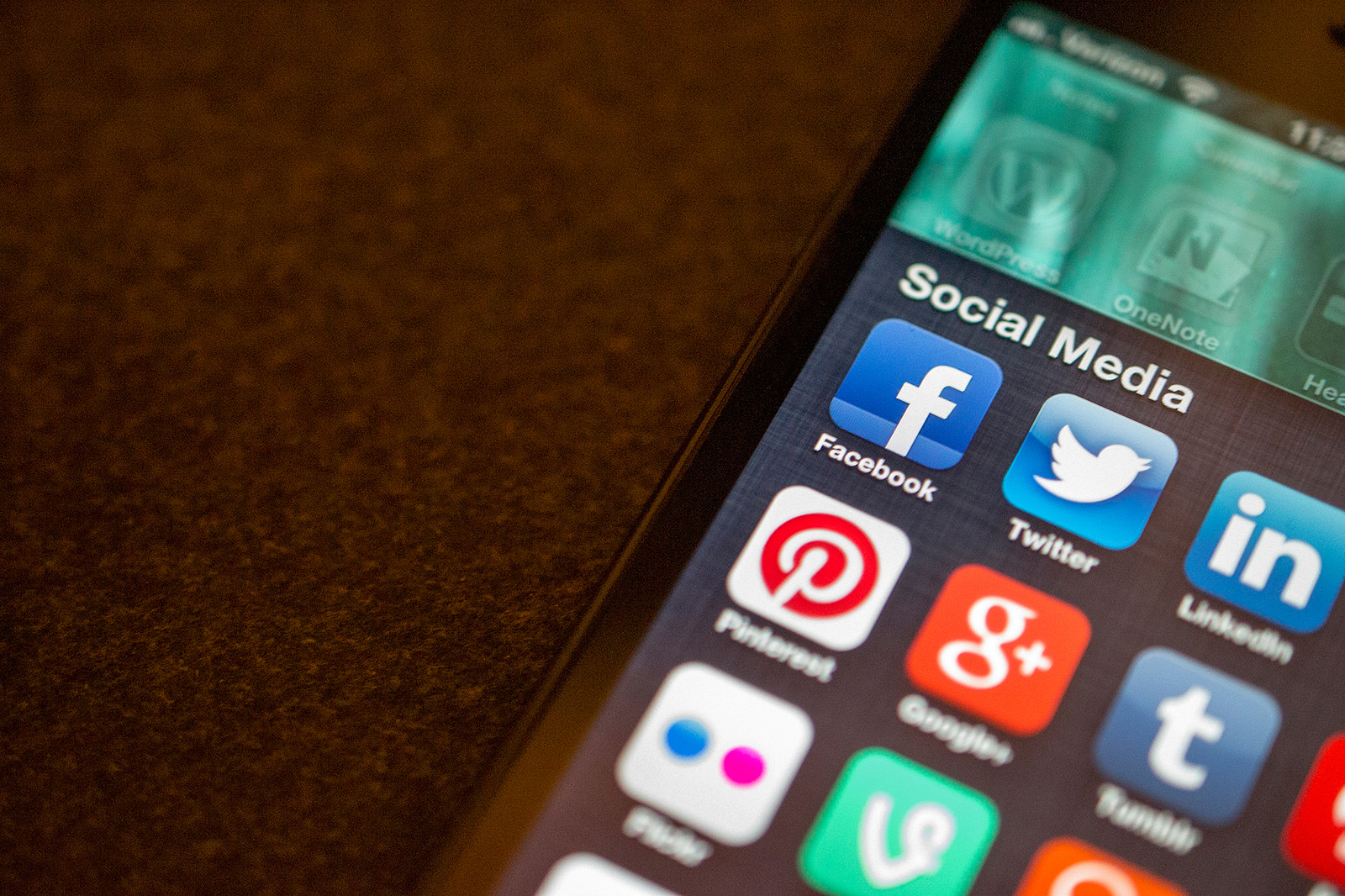
Bigelow spread the word about his daughter’s genetic condition to find out, posting on Facebook, Twitter and a personal website with the plea to “help us find others like Tess.” A friend of the family also posted on Reddit, where it was read within 24 hours by a researcher at Baylor College of Medicine who was studying USP7. His research group had already identified seven children similarly affected by the same genetic mutation, and they were about to publish an article about it in Molecular Cell.

Tess may become part of future clinical trials at Baylor, but the researchers also connected the Bigelows to the other seven families. “These days there are ribbons and awareness-weeks for so many diseases,” Bigelow said in a recent KQED Science story, “but when yours is ultra-rare, you feel completed isolated. You feel like you’re never going to hear another person say, ‘Us too!’ And being connected to other families changes all that.”

The KQED piece goes on to explain:

“Patients or parents like Tess’ who are seeking answers to seemingly unsolvable medical mysteries have new tools to reach out, not only on social media, but in crowdsourcing websites like CrowdMed, a subscription service for people seeking answers to medical conundrums. At CrowdMed, people who have symptoms but have yet to find a diagnosis seek opinions from the site’s “medical detectives,” only some of whom are medical professionals.”

This is a reposting of my Scope blog story, courtesy of Stanford School of Medicine.
Stanford medical student co-authors guidebook for aspiring science students

Photograph courtesy of James Pan

Academic hurdles in college stymie many budding doctors, engineers and researchers: More than half of all college students who enter science, technology, engineering and mathematics (STEM) fields change their majors or drop out.

As an undergraduate, Yoo Jung Kim — now a first-year Stanford medical student — and three colleagues at the Dartmouth Undergraduate Journal of Science observed this attrition first hand and decided to do something about it. Together, they wrote a practical guide for aspiring science students, providing insider advice on topics ranging from how to pick a major to how to start a research project. Kim told me about her new book, What Every Science Student Should Know, in recent emails:

What inspired you to write this guide for science students?

“In November 2011, the New York Times published an article titled, Why Science Majors Change Their Minds (It’s Just So Darn Hard). At that time, all of us had seen friends struggle with their science classes; some of our peers had even been discouraged enough to change their majors. This article confirmed to us that the problems with STEM education were a nationwide phenomenon and we felt like we already had some of the solutions.

We started interviewing highly successful science students at Dartmouth and other colleges throughout the country to see what they were doing differently. From there we distilled those observations into sample chapters that we pitched to literary agencies and publishers. Too many college students planning to study science and medicine change their minds later in their academic careers. Many of these students slip through the cracks in massive lecture‐based classes where they don’t necessarily get much advice or attention. We feel that our book could provide the guidance that most students need.”

Who is your target audience?

“We wrote this book primarily as a resource for early college students and ambitious junior and senior high school students interested in the sciences. However, its content can benefit anyone from a high school freshman to a recent college graduate. Our book covers ways in which students can improve their study skills, master their courses, find mentors who can guide them, conduct scientific research and prepare for their future careers.

Our hope is that readers will find the book to be a pretty comprehensive guide to their life as a science student, as well as their transition from college to the outside world. The book draws on interviews with a full spectrum of different science majors, winners of national scholarships like the Rhodes, founders of startups, researchers, and more — to give a broad overview of where science can take you.”

How did you find time to write a book during college?

“By the time we had secured a publishing contract, most of us had graduated from college already. We were literally dispersed throughout the world — Beijing, Michigan, and New Hampshire — so we held Skype meetings every two weeks. We kept to a tight schedule based on an outline we had come up with early on in development. As for myself, Dartmouth College let me work on the book for academic credit as part of an independent writing project during my senior year. We all spent many nights and weekends writing the manuscript over the course of a few years time.”

Are you planning to write any more books?

“Yes! There are a couple of subjects that I’ve been wanting to pursue, but the biggest problem is finding the time, especially since medical school is already a full‐time endeavor. In the future, I want to write a book that showcases scientific research as a human endeavor filled with setbacks and triumphs.”

What advice do you want to pass on to new college students?

“Don’t get overly discouraged by a bad grade in a science class. Throughout the country, science classes tend to give students lower grades than classes in other subjects. A bad grade is not necessarily a reflection of your work ethic or aptitude for science.

By the end of my sophomore year, I had racked up several Bs and B minuses in college science courses. I wondered whether I’d be able to get into any medical school, let alone Stanford. Fortunately, I found mentors at Dartmouth who helped me regain my confidence: physician mentors who helped me prioritize my time and upperclassman who shared their study tips and cheered me on. Starting in junior year, I aced all of my courses. I asked the upperclassmen that helped me to succeed — Justin Bauer, Andrew Zureick and Daniel Lee — to join me in writing our book, so that everyone could have the mentorship experience that I had been lucky enough to receive.”

This is a reposting of my Scope blog story, courtesy of Stanford School of Medicine.

NASA videos highlight using omics to study what happens to a body in space

Space is a hostile place, even inside a spacecraft. Radiation, weightlessness and isolation are only a few of the unique stressors faced by astronauts during space travel.

As NASA prepares for a manned journey to Mars, researchers are studying what happens to the human body in space to determine the health risks of a several-year mission. This research includes a unique study of identical twin astronauts to investigate the effects of spaceflight at a molecular level — comparing data from Scott Kelly, who recently completed a one-year space mission, with data from his brother who led a normal life on Earth.

NASA recently produced a series of web videos, “Omics: Exploring Space Through You, ” that discusses its twins study and features Michael Snyder, MD, professor and chair of genetics at Stanford and principal investigator on one of the projects. Omics is a field of study that integrates different types of molecular information and, as Snyder explains in the introductory video:

“In many respects, it’s like a jigsaw puzzle. A jigsaw puzzle can be made of 1000 pieces but you don’t really see the picture until you put all those pieces together. That’s the same for omics; you basically try and understand all of the individual pieces so you can see the whole picture.”

NASA is making billions of measurements of both twins to see what space really does to the human body. And researchers hope that one day omics profiles will be conducted on a large scale in clinics, not just on astronauts, so we can switch from a “one size fits all” approach to personalized medicine.

“OMICS is really an amazing field where we can look at people and their health at a level that’s never been possible before,” Snyder comments. “And with that we’ll be able to better manage people’s health and try and keep them healthy long before they get sick.”

This is a reposting of my Scope blog story, courtesy of Stanford School of Medicine.
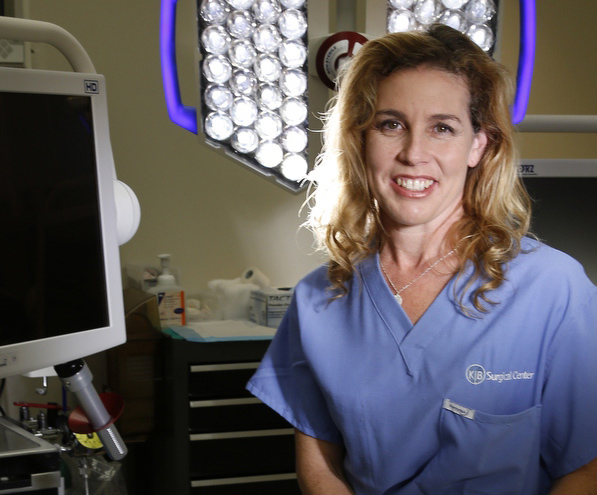
“I wasn’t afraid to fail at my dream”: A physician-chef discusses her unusual career

Photo courtesy of Michelle Hauser

How do you combine internal medicine, nutrition, culinary arts and public policy into a single career? Ask Michelle Hauser, MD, who has integrated her eclectic training into a unified research program to help improve the health and wellness of people in underserved communities.

Although Hauser always dreamed of being a physician, she began her career as a Le Cordon Bleu chef with a culinary internship at Alice Water’s famous restaurant, Chez Panisse. Hauser then put herself through college at Humboldt State University by teaching at local cooking schools, before going on to Harvard to earn her MD and MPA.

Hauser is now a postdoctoral research fellow in cardiovascular disease prevention at the Stanford Prevention Research Center and practices primary care at Fair Oaks Health Center, a clinic for those with limited access to health care in Redwood City. She is also on the board of directors of the American College of Lifestyle Medicine. I recently spoke with Hauser about lifestyle medicine and medical care for the underserved: 

Why did you become a chef when you dreamed of being a doctor?

I grew up poor in rural Iowa, without a support system or parents who had gone to college. My high school guidance counselor actually laughed at me when I told her I wanted to be a doctor. She said, “let’s find something more suitable for you to do,” and went on to suggest that I work at a local factory.

So I went to culinary school because I love to cook. And everyone told me that I’d never be a doctor, so I thought maybe they were right. As I finished culinary school, however, I knew that I wasn’t afraid to fail at my dream of becoming a physician. I would, however, regret not trying.

How did you become interested in treating medically underserved patients?

Coming from an underserved background inspired me to focus on medical care for the underserved. Additionally, I became very interested in the prevention of chronic disease —particularly via lifestyle changes — and the disparities in access to preventive care and services.

I’m currently involved with Fair Oaks Health Center’s care transformation project to increase and improve wellness resources for patients with metabolic risk factors for cardiovascular disease and diabetes. All resources and classes are available in Spanish and English. It’s truly rewarding to work with a diverse group of physicians, nurses, dieticians, psychologists and health educators to brainstorm and test new models of chronic disease prevention and treatment in this type of underserved clinical setting.

What is lifestyle medicine?

Lifestyle medicine is a field of medicine that encompasses research, prevention and treatment of disease caused by lifestyle factors such as nutrition, physical inactivity, smoking, excessive alcohol use, poor sleep and chronic stress. These lifestyle factors are currently responsible for nearly 80 percent of both chronic diseases and healthcare spending.

A goal of the American College of Lifestyle Medicine, and lifestyle medicine in general, is to improve personal and population health — adding both life to years and years to life. I was inspired to join the board of directors of ACLM because I fervently believe that healthcare needs to better address the root causes of disease and not just treat the downstream effects.

How can you motivate people to make lifestyle changes and stick with them?

This question is the elephant in the room. While there are many examples of people — myself included — who have turned their lives around with improved lifestyle habits, we have yet to find the perfect set of instructions for everyone to change their behaviors.

However, there are many promising techniques out there and much research currently being done. For instance, Brian Wansink, PhD, professor and director of the Cornell University Food and Brand Lab, has done a lot of research investigating how we constantly make mindless choices — particularly about what and how much to eat. He has shown that if we swap healthy items for unhealthy ones in the places that we’re most likely to select our food, we won’t even notice that we’ve suddenly opted to eat healthier.

We also need to change the way preventive care and lifestyle-based treatments for chronic diseases are paid for. Unless government and private insurance programs reimburse these services, most people will not have access to them.

How do you use nutrition and culinary education in your practice?

When I was in medical school, we piloted and evaluated a program that used shared medical appointments that incorporated cooking demonstrations and nutrition classes with primary care management for patients with cardiovascular risk factors. We found the program to be feasible, cost-effective and well received by patients.

I went on to conduct similar group sessions in my residency primary care clinic, and am now working on several projects that utilize cooking skills for disease prevention and treatment in my current practice and research.

With your busy work life, do you still have time to cook for yourself?

Absolutely! I cook most of the meals that I eat. These are not generally the fancy fare that I prepared in restaurants or culinary classes, but satisfying, delicious and healthy, all the same. I occasionally post about these recipes and answer food and nutrition-related questions on my blog, Chef In Residency. Pictures of other quick meals that I make on weekdays can be found on my Chef In Residency Instagram page.

This is a reposting of my Scope blog story, courtesy of Stanford School of Medicine.