“The brain is just so amazing:” New Instagram video series explains neuroscience

Huberman
Photo by Photo by Norbert von der Groeben

Many people make New Year’s resolutions to exercise more or eat healthier. Not Stanford neurobiology professor Andrew Huberman, PhD. This year he set out to educate the public about exciting discoveries in neuroscience using Instagram.

Huberman’s sights are high: he pledged to post on Instagram one-minute educational videos about neuroscience an average of five times per week for an entire year. I recently spoke with him to see how he’s doing on his resolution.

Why did you start the Instagram video series?

“Although I’m running a lab where we’re focused on making discoveries, I’ve also been communicating science to the general public for a while. I’ve found that there’s just immense interest in the brain — about diseases, what’s going on in neuroscience now, and how these discoveries might impact the audience. The brain is just so amazing, so the interest makes sense to me.

I don’t spend much time on social media, but Instagram seemed like an interesting venue for science communication because it’s mostly visual. My lab already had an Instagram account that we successfully used to recruit human subjects for our studies. So at the end of last year, I was talking with a friend about public service. I told him I was thinking about creating short, daily educational videos about neuroscience — a free, open resource that anyone can view and learn from. He and some other friends said they’d totally watch that. So I committed to it in a video post to 5000 people, and then there was no backing down.”

What topics do you cover?

“I cover a lot of topics. But I feel there are two neuroscience topics that will potentially impact the general public in many positive ways if they can understand the underlying biology: neuroplasticity — the brain’s ability to change— and stress regulation. My primary interest is in vision science, so I like to highlight how the visual system interacts with other systems.

I discuss the literature, dispel myths, touch on some of the interesting mysteries and describe some of the emerging tools and technologies. I talk a bit about my work but mostly about work from other labs. And I’m always careful not to promote any specific tools or practices.”

How popular are your videos?

 “We have grown to about 8,000 followers in the last six weeks and it’s getting more viewers worldwide. According to the stats from Instagram, about a third of my regular listeners are in Spanish-speaking countries. Some of these Spanish-speaking followers started requesting that I make the videos in Spanish so they could share them. Last week I started posting the videos in both English and Spanish and there’s been a great response. My Spanish is weak but it’s getting better, so I’m also out to prove neural plasticity is possible in adulthood. By the end of the year I plan to be fluent in Spanish.

I’ve also had requests to do it in French, German, Chinese and Dutch but I’m not planning to expand to additional languages yet. I think my pronunciation of those languages would be so bad that it would be painful for everybody.

Currently, my most popular video series is about the effects of light on wakefulness and sleep — such as how exposure to blue light from looking at your phone in the middle of the night might trigger a depression-like circuit. But my most popular videos include Julian, a high school kid that I mentor. People have started commenting #teamjulianscience, which is pretty amusing.”

What have you learned?

“It’s turned out to be a lot harder to explain things in 60 seconds than I initially thought. I have to really distill down ideas to their core elements. Many professors are notorious for going on and on about what they do, saying it in language that nobody can understand. My goal is to not be THAT professor.

I’ve also learned that I don’t blink. Sixty seconds goes by fast so I just dive in and rattle it off. After a couple of weeks, people started posting “you never blink!” — so now I insert blinks to get them to stop saying that.

I’ve also found the viewer comments and questions to be really interesting. They cue to me what the general public is confused about. But I’ve also found that many people have a really nuanced and deep curiosity about brain science. It’s been a real pleasure to see that.”

This is a reposting of my Scope blog story, courtesy of Stanford School of Medicine.

Blocking Zika: New antiviral may treat and prevent infection, a Stanford study suggests

26144575046_fc7f61e121_h
Image of the surface of the Zika virus by Purdue University/courtesy of Kuhn and Rossmann research groups

The Zika virus, which made headlines in 2016 following an outbreak in South America, is transmitted by mosquitos and can cause serious birth defects and neurological problems. Researchers are searching for antiviral treatments or effective vaccines to address this global health threat, but there are currently no approved treatments.

Now, Stanford researchers are taking a different approach — investigating cellular factors of humans that are essential for Zika to propagate. One of those factors is a type of protein called Hsp70, which helps proteins fold correctly and performs a wide range of housekeeping and quality-control functions in cells.

Based on a series of experiments in mosquito and human cells, the Stanford study found that certain Hsp70 proteins are required in multiple steps of the Zika virus’ lifecycle. By blocking Hsp70 with an Hsp70 inhibitor drug, the researchers were able to prevent virus replication, as recently reported in Cell Reports.

One advantage of targeting the human host protein to thwart Zika is that it is less likely to promote drug resistance, Judith Frydman, PhD, senior author of the paper and a professor of genetics and of biology at Stanford, told me.

“The emergence of drug-resistant variants is a major obstacle for the development of antiviral therapies,” she continued. “We hypothesize that because Hsp70 is required for several different steps in the Zika virus cycle, it would be difficult for Zika to acquire enough mutations to develop resistance to the Hsp70 inhibitors. This opens the way to both therapeutic and prophylactic use of these drugs for short courses of treatment without losing effectiveness due to resistance.”

In addition, the team found that the Hsp70 inhibitors showed negligible toxicity to the host cells at the concentrations needed to fully block virus production. They demonstrated this lack of toxicity in both human cells and mice.

“The virus has a much higher demand for Hsp70 than the host cellular processes,” Frydman said. “We can exploit the viral ‘addiction’ to Hsp70 for treatment to prevent the virus from producing the proteins it needs to replicate and infect cells. But most importantly, we show Hsp70 inhibitors can be administered to animals at therapeutically effective doses. To my knowledge, this is the first drug that actually works for Zika-infected animals, protecting them from lethal infection and disease symptoms.”

The researchers believe their new approach could serve to create broad-spectrum antivirals that work against other existing and emerging viruses. In fact, this class of drugs could also treat other insect-borne viruses including Dengue virus and Yellow Fever, Frydman said.

“Our findings provide new strategies to develop a novel class of antivirals that will not be rendered ineffective by the emergence of drug resistance,” Frydman said. “This unique property of targeting host factors used for viral protein folding therapeutically may close a fundamental gap in antiviral drug development.”

This is a reposting of my Scope blog story, courtesy of Stanford School of Medicine.

A look back at the military’s influence on American nutrition

2048px-_food_is_a_weapon_-_don't_waste_it__-_nara_-_513830
Image of early 1940s poster by Office for Emergency Management, Office of War Information, Domestic Operations Branch, Bureau of Special Services

If you think of our military’s influence on food, you may picture MREs — meals, ready-to-eat — which are the main operational food rations for the U.S. Armed Forces. You may even have some MREs in your earthquake supply bin.

But according to Hannah LeBlanc, a history of science doctoral candidate at Stanford, the U.S. military has had a more fundamental and far-reaching impact on American nutrition than MREs. In fact, she argues, American nutrition was profoundly altered during the mid-1900s when the U.S. government poured funding into nutrition research. The legacies from this research include the food pyramid, recommended dietary allowances and much more.

LeBlanc’s dissertation reveals that the government hired nutritionists and issued propaganda films about nutrition because they needed healthy soldiers to fight in World War II at a time when many men were physically weakened from malnutrition during the Great Depression. And the government studied physiology in hopes of improving their soldiers’ physical endurance and food processing to preserve food longer.

Nutrition was also viewed as a national security issue during the Cold War — combating hunger as a means to protect our democracy. LeBlanc explained in a recent Stanford news release, “If you’re hungry, communism’s promises of food and well-being are going to be appealing.”

LeBlanc came to these conclusions by delving into a dozen archives throughout the U.S. for primary sources, such as military memos, government budgets and propagandistic nutrition films.

LeBlanc’s advisor, Londa Schiebinger, PhD, argues in the news release that this work can act as a reminder to pay attention to who is funding and directing our research: “Since the 1950s, there’s been this idea that science is merely objective. And, yes, we discover truth in science, but research priorities are very much determined by society.”

This is a reposting of my Scope blog story, courtesy of Stanford School of Medicine.
How yellow fever shaped 19th-century New Orleans: A Q&A

Stanford historian explains how frequent yellow fever epidemics in nineteenth-century Louisiana generated cultural and social norms in its fatal wake.

Development of Yellow Fever_crop.png

I was intrigued when I came across the Stanford profile of Kathryn Olivarius, PhD, a historian of 19th-century America. Her research primarily explores how epidemic yellow fever disrupted society in the antebellum South, generating cultural and social norms in its fatal wake. To learn more, I spoke with her recently.

As a historian, what got you interested in fellow fever?

“When I embarked on my PhD, I wanted to write about how slavery changed in Louisiana after 1803 with the Louisiana Purchase, as the region shifted from Spanish and French to American rule. But while sitting in Tulane’s archives and perusing letters, diaries, plantation ledgers and ship manifests, what impressed me the most was how much people spoke about disease. And the disease they feared the most was undoubtedly yellow fever  — a disease that struck antebellum New Orleans at epidemic levels nearly every third summer.

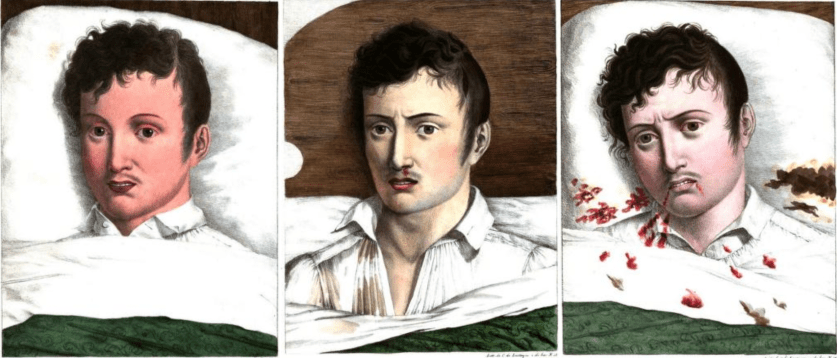
Yellow fever victims experienced a sudden onset of headache, back pains, jaundice, nausea and chills. Within days, they oozed blood through their external orifices, writhed in pain and vomited up partly coagulated blood. About half of all people who contracted yellow fever in the 19th century died, while the survivors gained lifetime immunity.

In my view, yellow fever played a critical role in Louisiana’s asymmetrical social organization, on the schedule and character of the cotton market, on capitalism itself and on the entire system and ideology of racial slavery. So I decided to focus on the disease for my PhD and my forthcoming book.”

How did the disease impact the social structure of 19th-century Louisiana?

“Antebellum New Orleans sat at the heart of America’s slave and cotton kingdoms. But it was also the nation’s necropolis, the city of the dead, with yellow fever routinely killing about 8 percent of its population between July and October. In some neighborhoods — particularly those with high densities of immunologically-naive recent immigrants from Germany, Ireland and the American North — yellow fever deaths could reach 20 or even 30 percent.

These repeated epidemics generated a hierarchy of ‘acclimated’ survivors who leveraged their immunity for social, economic and political power and ‘unacclimated’ recent immigrants who languished in social and professional purgatory. Until whites could prove they were acclimated, they struggled to find steady, well-paid employment, housing, spouses and a political voice. From the employer’s perspective, it wasted time and money to train someone for a detail-oriented job only to watch him sicken and die by the autumn.”

How did this affect slavery?

“Because of the disease, the commercial-civic elite of New Orleans argued that they required large-scale black slavery — publicly proclaiming that black people were naturally immune to the disease based on spurious and racially-specific visions of medicine and biology. It became a powerful proslavery argument with many whites claiming that black slavery was natural, even humanitarian, as it distanced white people from labor, spaces and activities that would kill them. Some even argued black immunity signaled divine sanction for widespread slavery, with God creating black slaves specifically to labor in the cane and sugar fields of the Mississippi Valley.

But in private, most slavers would not buy an unacclimated slave. The slave market essentially shut down in August, September and October in order to protect the health of potential buyers and their valuable slave property. This inconsistency suggests that the widespread belief in black immunity was less a reflection of biological reality but instead a social tool, a means to epidemiologically-justify racial slavery.”

Do you believe anything similar is happening today?

“Yellow fever still kills thousands of people each year. It’s endemic in 47 countries, mostly in Africa and Central and South America. The Intergovernmental Panel on Climate Change’s report released last year also suggests that Americans may become more familiar with this disease again as ecologies change and mosquito populations migrate. Zika, spread by the same mosquito as yellow fever, has been an increasing problem in recent years.

In terms of the social impact of disease, there are certainly modern analogues of societies in the midst of terrifying epidemics rationalizing mass death or singling out certain marginalized groups as the cause. The most obvious comparison in the U.S. is probably HIV/AIDS in the 1980s with gay people, intravenous drug users and Haitians who were blamed for the disease’s spread and who faced severe discrimination on the basis of their alleged-vulnerability.”

This is a reposting of my Scope blog story, courtesy of Stanford School of Medicine.

On the importance of including pregnant women in clinical trials: A Q&A

hands-2568594_1920
Photo by StockSnap

As a research scientist, I’ve negotiated the complex nature of getting approval to image human subjects. So I know firsthand that it is common to exclude pregnant women from clinical trials. Although this practice is well-intentioned, it is also misguided — according to an opinion piece recently published in JAMA. To learn more, I spoke with one of the authors, Heather Byers, MD, a clinical assistant professor in pediatrics at Stanford.

Why are pregnant women excluded from clinical trials?

“Historically, women in general were excluded from clinical trials because men were thought to be a more homogenous group without hormonal cycles and other sex-based variables that might impact the medical conditions under study.

In addition, pregnant women are still classified as a ‘vulnerable’ population for all research studies, so investigators must take additional steps to enroll them to ensure minimum risk.

Also, the lack of data about what pregnant women can safely be exposed to leads to more uncertainty. So many investigators choose to exclude them, even if they might benefit from the study intervention.”

Why is this a problem?

“Excluding them is a problem because women don’t stop getting sick or stop having chronic medical conditions just because they are pregnant. The average woman is exposed to four medications during her pregnancy and over 80 percent of medications haven’t been studied in a like population. This forces pregnant women to take medications on an “off-label” basis — meaning, the medications weren’t studied or approved for use in pregnant women — because there’s no other option. Pregnant women deserve better. It’s a matter of justice.”

What are the barriers and how can we overcome them?

“First, we advocate reclassifying pregnant women from ‘vulnerable’ to ‘scientifically complex.’ Pregnancy doesn’t alter a woman’s capacity for autonomous decision-making. Indeed, a pregnant woman frequently makes complex medical decisions for herself and her fetus that reflect her family’s values.

Another barrier for medical investigators is the perceived legal risk regarding a potential adverse outcome in the fetus or mother. As we discuss in the JAMA Viewpoint, this barrier could be addressed by standardizing the informed consent process.

Finally, federal regulations don’t define ‘acceptable risk’ to the woman or fetus and this uncertainty is perceived as a risk in itself. But in some cases, pregnant women may accept the uncertainty and risk.

For example, it was imperative to reduce mother-to-child transmission of HIV. So obstetricians reluctantly included pregnant women with HIV in their study of antiretroviral treatments, since the risk of the drugs were thought to be low and the potential benefit high. And the effectiveness of this study helped transform the AIDS epidemic.”

Is progress being made?

“Although progress has been slow, there has been an increased effort to enroll pregnant women. Several high-profile clinical trials involving pregnant women recently completed and institutions like the National Institutes of Health are working to change their polices. For example, the NIH Task Force on Research Specific to Pregnant Women and Lactating Women recently issued a report that summarizes the current gaps in knowledge and provides recommendations for continued progress.”

How did you become involved?

“I first became interested in this subject as a medical student during my rotation at NIH with Pamela Stratton, MD, one of the obstetricians involved in the study of antiretrovirals to prevent vertical transmission of HIV.

Later, as an obstetrics resident, I was frustrated by the lack of information to share with my patients regarding the risk and clinical impact of various medications, vaccines and medical conditions in pregnancy. Every anecdotal story  — such as my patient who was hospitalized in intensive care for months with influenza because she’d been too afraid to get the flu vaccine earlier in her pregnancy — is one too many. The fear of uncertain risk can be dangerous. There should be a better way.

One thing that has changed is the rise of social media and patient support group accessibility. Although this should not replace the controlled setting of a clinical trial, partnerships between motivated patient advocacy groups and medical investigators can be a powerful tool for obtaining information about risk and benefits going forward.”

This is a reposting of my Scope blog story, courtesy of Stanford School of Medicine.

Medical students turn to peer-support groups for assistance: A Q&A

Photo by rawpixel

School can be overwhelming, especially medical school. But Stanford Medicine offers many different forms of mental health support, including a peer-to-peer support program for medical students called Ears 4 Peers. To learn more, I spoke with Dina Wang-Kraus, MD, a Stanford psychiatry and behavioral sciences resident and co-founder of the program.

What inspired you to start the Ears 4 Peers program?

“In 2012, I was a first-year medical student and I was noticing that a significant number of my classmates were experiencing compassion fatigue and burnout. We were encouraged to reach out to the counseling and psychology services but there was some hesitancy, either from busy schedules or anxieties surrounding stigma. So, Norma Villalon, MD, and I decided to found a peer-to-peer support program. I started a similar program in college at Johns Hopkins, called A Place to Talk.

The hope was to have near-peers — those who were just walking in your shoes — provide support. Our goal was to bridge the distance students often feel when in a competitive, challenging situation. We may have been adults in our mid-twenties to forties, but we were only in the infancy of our training.

Rebecca Smith-Coggins, MD, is our faculty adviser and leader. From day one, she’s believed in our cause.”

What are some issues the program addresses?

“We receive calls regarding issues like academic stress, interpersonal relationship conflicts, imposter syndrome, intimate partner violence, Stanford Duck syndrome and suicidal thoughts. We also receive calls from students feeling lonely, disconnected and homesick, especially around finals, holidays and medical board exams. And some students call hoping to be referred for additional support.”

How are Ears 4 Peers mentors selected and trained?

“Ears 4 Peers mentors are nominated by their peers or self-nominated. They complete an application to tell us more about themselves, what draws them to this type of work and what they hope to gain from the experience.

We’re very lucky to have the support of Alejandro Martinez, PhD, the Associate Dean of Students for the Stanford undergraduate campus. He and his team designed a curriculum specifically for Stanford School of Medicine.”

What role do you play in the program now?

“As a resident, I’ve transitioned out of being an official Ears 4 Peers mentor but I continue to remain actively involved in near-peer mentoring for medical students. Two years ago as an intern in psychiatry, I worked with Jessi Gold, MD, to inaugurate Stanford’s  Medical Student Reflection Groups. Each group is made up of four to 10 medical students who commit to joining for six to 12 months. We meet every other week, and groups are facilitated by psychiatry residents trained in group therapy and psychotherapy. As resident physicians, we remain near-peers; however, we’re able to facilitate a different kind of support and personal growth given our psychiatry training.

Stanford students are welcome to reach out to me at sdwangkraus@stanford.edu to learn more.”

What advise can you give medical students and residents?

“I recall medical school to be an exhilarating time, but it also felt like I was drinking from Niagara Falls, one cup at a time. There were times when I felt overwhelmed and even burnt out.

We see a lot of beauty and humility in medicine, but there are also times when we see a lot of tragedy and suffering. Having peer-support, knowing that I was not alone, was empowering and liberating — and it continues to be.”

This is a reposting of my Scope blog story, courtesy of Stanford School of Medicine.

Blasting radiation therapy into the future: New systems may improve cancer treatment

Image by Greg Stewart/SLAC National Accelerator Laboratory

As a cancer survivor, I know radiation therapy lasting minutes can seem much longer as you lie on the patient bed trying not to move. Future accelerator technology may turn these dreaded minutes into a fraction of a second due to new funding.

Stanford University and SLAC National Accelerator Laboratory are teaming up to develop a faster and more precise way to deliver X-rays or protons, quickly zapping cancer cells before their surrounding organs can move. This will likely reduce treatment side effects by minimizing damage to healthy tissue.

“Delivering the radiation dose of an entire therapy session with a single flash lasting less than a second would be the ultimate way of managing the constant motion of organs and tissues, and a major advance compared with methods we’re using today,” said Billy Loo, MD, PhD, an associate professor of radiation oncology at Stanford, in a recent SLAC news release.

Currently, most radiation therapy systems work by accelerating electrons through a meter-long tube using radiofrequency fields that travel in the same direction. These electrons then collide with a heavy metal target to convert their energy into high energy X-rays, which are sharply focused and delivered to the tumors.

Now, researchers are developing a new way to more powerfully accelerate the electrons. The key element of the project, called PHASER, is a prototype accelerator component (shown in bronze in this video) that delivers hundreds of times more power than the standard device.

In addition, the researchers are developing a similar device for proton therapy. Although less common than X-rays, protons are sometimes used to kill tumors and are expected to have fewer side effects particularly in sensitive areas like the brain. That’s because protons enter the body at a low energy and release most of that energy at the tumor site, minimizing radiation dose to the healthy tissue as the particles exit the body.

However, proton therapy currently requires large and complex facilities. The Stanford and SLAC team hopes to increase availability by designing a compact, power-efficient and economical proton therapy system that can be used in a clinical setting.

In addition to being faster and possibly more accessible, animal studies indicate that these new X-ray and proton technologies may be more effective.

“We’ve seen in mice that healthy cells suffer less damage when we apply the radiation dose very quickly, and yet the tumor-killing is equal or even a little better than that of a conventional longer exposure,” Loo said in the release. “If the results hold for humans, it would be a whole new paradigm for the field of radiation therapy.”

This is a reposting of my Scope blog story, courtesy of Stanford School of Medicine.

A look at the cigarette epidemic in China

Image by Dimhou

The imagery of a cuddly panda bear has often been used to sell tobacco products in China. So a new book that examines China’s cigarette industry seems aptly titled: Poisonous Pandas: Chinese Cigarette Manufacturing in Critical Historical Perspectives.

The book brings together an interdisciplinary group of scholars — including Stanford editors Matthew Kohrman, PhD, a professor of anthropology, and Robert Proctor, PhD, a professor of history. Together the team has investigated how transnational tobacco companies have worked to triple the world’s annual cigarette consumption since the 1960s. They focus on the China National Tobacco Corporation, which currently produces forty percent of cigarettes sold globally.

In a recent Freeman Spolgi Institute Q&A, Kohrman discusses how he got involved in this work. “When I began my ethnographic fieldwork on tobacco in China, I initially studied mostly consumer behavior. But I quickly realized that focusing solely on cigarette consumption, without considering the relationship between supply and demand, was like studying obesity while ignoring food,” he says.

Kohrman explains that cigarettes have become the single greatest cause of preventable death in the world today and the problem is getting worse. “Instead of declining as we would expect based on our impressions living here in California, the number of daily cigarette smokers around the world is projected to continue climbing,” he says. In particular, he explains the big tobacco companies are targeting less-educated people from lower- and middle-income countries.

Kohrman does offer some hope in light of the Chinese government’s recent initiatives to restrict tobacco advertising and smoking in public places. But he says that there is a lot more work to do.

“The road towards comprehensive tobacco prevention in China is going to be a long one,” Kohrman concludes.

This is a reposting of my Scope blog story, courtesy of Stanford School of Medicine.
Inherited Neanderthal genes protect us against viruses

Image by Claire Scully

When Neanderthals and modern humans interbred about 50,000 years ago, they exchanged snippets of DNA. Today, Europeans and Asians still carry 2 to 3 percent of Neanderthal DNA in their genomes.

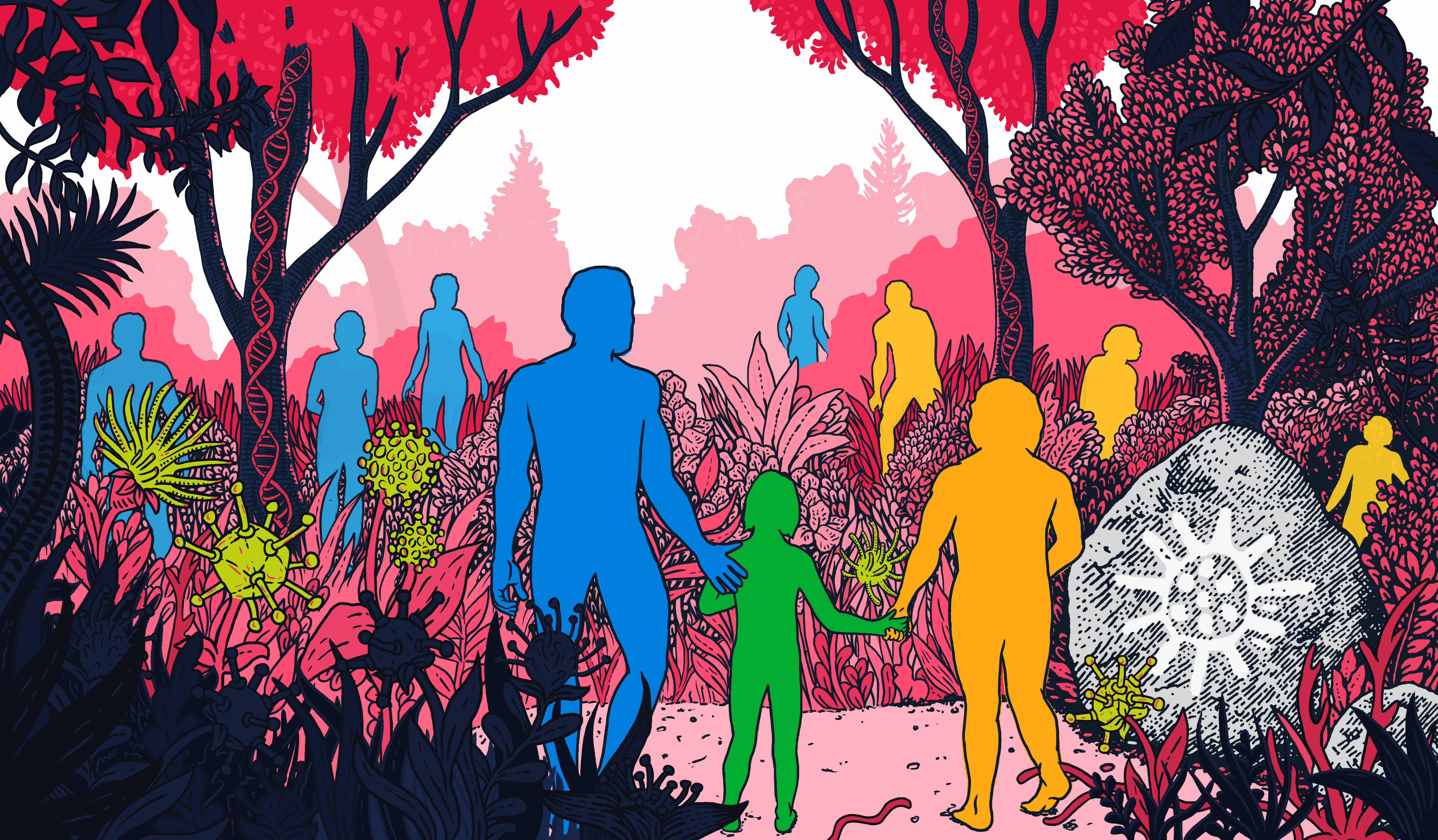
During contact, they also exposed each other to viruses. This could have been deadly for the human species since Neanderthals encountered many novel infectious viruses while living for hundreds of thousands of years outside Africa. Luckily, the Neanderthals’ immune systems evolved genetic defenses against these viruses that were passed on to humans, according to a study reported in Cell.

“Neanderthal genes likely gave us some protection against viruses that our ancestors encountered when they left Africa,” said Dmitri Petrov, PhD, an evolutionary biologist at Stanford’s School of Humanities and Sciences, in a recent Stanford news release.

In the study, the researchers gathered a large dataset of several thousand proteins that interact with viruses in modern humans. They then identified 152 Neanderthal DNA snippets present in the genes that make these proteins. Most of the 152 genes create proteins that interact with a specific type of viruses, RNA viruses, which have RNA encased in a protein shell.

The team identified 11 RNA viruses with a high number of Neanderthal-inherited genes, including HIV, influenza A and hepatitis C. These viruses likely played a key role in shaping human genome evolution, they said.

Overall, their findings suggest that the genomes of humans and other species contain signatures of ancient epidemics.

“It’s similar to paleontology,” said David Enard, PhD, a former postdoctoral fellow in Petrov’s lab. “You can find hints of dinosaurs in different ways. Sometimes you’ll discover actual bones, but sometimes you find only footprints in fossilized mud. Our method is similarly indirect: Because we know which genes interact with which viruses, we can infer the types of viruses responsible for ancient disease outbreaks.”

This is a reposting of my Scope blog story, courtesy of Stanford School of Medicine.

Looking beyond opioids: Stanford pain psychologist briefs Congress

Photo by K-State Research and Extension

Reducing opioid use has become a national priority, but where does that leave the millions of Americans who suffer from underdiagnosed or undertreated chronic pain?

Do alternative treatments strategies like cognitive behavioral, physical and pharmacologic therapies alleviate chronic pain? And how should these alternatives be implemented for different populations with different needs?

These questions will be explored at an upcoming congressional briefing in Washington, D.C. on Oct. 2, which is organized by the Patient-Centered Outcomes Research Institute. Beth Darnall, PhD, a clinical professor of anesthesiology, perioperative and pain medicine at Stanford, is one of the speakers.

Congress is considering legislation — The Opioid Crisis Response Act of 2018 — that would affect the federal funding allocated to address the opioid crisis, including funding for non-opioid pain treatments. So it is critical that Congress understand evidence-based research on implementing safer chronic pain treatments in real-world clinical settings, Darnall told me.

Darnall was invited to speak about her EMPOWER study, a clinical trial in which participants partner with their clinicians to slowly reduce their opioid dose over a year. Patients are randomized to receive pain self-management classes, cognitive behavioral classes for chronic pain, or tapering only.

“The goal is not zero opioids. We’re aiming to help patients reduce to lower, safer doses without increasing their pain,” said Darnall. “We are testing whether the two types of classes help.”

Darnall argues that the best pain care is comprehensive and personalized to each patient’s needs. Although she recognizes that staving the flow of prescription opioids is important and can save lives, she says opioids can be part of a comprehensive care plan that works for some patients.

Darnall explained:

“Much of the overprescribing of opioids was born from a lack of opioid data, lack of clinician education about how best to treat pain and lack of accessible alternatives. Limiting opioids alone will not solve these three underlying problems. We need to better train physicians, psychologists, physical therapists, nurses and all healthcare clinicians on how to treat pain, so patients have access to evidence-based pain care.”

This is a reposting of my Scope blog story, courtesy of Stanford School of Medicine.