‘Eat a bleeping Dorito’: An elite runner and Stanford medical student addresses disordered eating

megan-e1475000985163-300x300Somehow, Megan Deakins Roche balances her roles as a fourth-year Stanford medical student, wife, athlete on the Nike trail running team and, according to her Twitter profile, an ice cream connoisseur. Balance is an underlying theme of her recent article on disordered eating in Trail Runner Magazine.

Disordered eating isn’t quite the same thing as an eating disorder. Many people suffering from disordered eating do not meet the criteria of eating disorders, which are psychiatric illnesses. However, the abnormal thoughts and behaviors of disordered eating can lead to serious health problems, including developing an eating disorder. Both disordered eating and eating disorders can affect people of any size or gender.

Roche writes:

“We live in a culture of fad diets and fad exercise philosophies. You can choose to be gluten-free, vegan, Paleo or even fruitarian. You can log 120 miles a week on Strava, do CrossFit until you pee blood or do hot yoga until your core temperature and skin texture resemble a Thanksgiving turkey.

Some of these actions have become socially acceptable. Heck, some have made champions. So how do we draw the line? When does disciplined eating morph into disordered eating, and when does disordered eating slip into a life-threatening disorder?”

She explains that it is important to understand the warning signs of disordered eating, which can include:

  • Chronic yo-yo dieting
  • Fasting or skipping meals regularly
  • Avoiding social events where food is served
  • Rigid compulsive exercise routines
  • Self esteem that is highly based on body weight
  • Preoccupation with food, body and exercise that causes distress

Roche gives the example of Kara Goucher, who overcame disordered eating as a collegiate runner before competing in the 2008 Olympics in the 10k and the 2012 Olympics in the marathon. In a video, Kara describes the moment she realized she had an eating problem. While on a date with her boyfriend (now husband) Adam Goucher, he offered her some Doritos as a snack since she was too hungry to wait for dinner. When Kara repeatedly refused the chips, Adam said, “Eat a bleeping Dorito” — a now oft-repeated quote among elite runners.

Roche focuses her piece on the pervasiveness of disordered eating within the running community, which often associates weight loss with faster times. She argues that trail running requires strength and resilience, whereas disordered eating weakens musculoskeletal strength and increases the risk of stress fractures, soft-tissue overuse injuries and depression.

“These issues are common for runners, and confronting them head-on is the best way to get healthy and stay healthy long-term,” she says in her piece. She later adds, “The only way for us to squash the stigma (and possibly save running careers and even lives) is to practice consistent empathy, as individuals and as a unified community.”

This is a reposting of my Scope blog story, courtesy of Stanford School of Medicine.

Intermittent fasting: Fad or science-based diet?

Photo by Jean Fortunet

The diet regime of intermittent fasting recently caught my attention when listening to an episode of  This American Life on my car radio. And then a close friend told me he’s planning to switch from a low-carbohydrate diet to some form of intermittent fasting.

I got to wondering, though: Are the health-benefit claims from intermittent fasting backed up by scientific evidence?

Research studies have shown that reducing your daily caloric intake by 20 to 40 percent is an effective way to lose weight and improve cardiovascular and metabolic health. However, it’s very difficult to eat less every day for a long time. So people are looking for more manageable ways to improve their health, and many are turning to intermittent fasting — short periods of eating little to no energy-containing food and drink.

To learn more about intermittent fasting, I turned to fasting expert John Trepanowski, PhD, postdoctoral research fellow at the Stanford Prevention Research Center for answers:

What are the health benefits of a calorie-restricted diet?

Calorie restriction is probably the most scientifically established diet regimen for improving health. The main benefits include improvements in risk indicators for cardiovascular disease and type 2 diabetes, which include reductions in total cholesterol level, blood triglycerides, blood pressure, carotid intima-media thickness, insulin and fasting glucose. The biggest limitation is that most people find it incredibly challenging, and some find it impossible, to follow a calorie-deprived diet for any notable length of time.

Why has intermittent fasting become increasingly popular?

Michael Mosley’s “Eat, Fast and Live Longer” documentary on the BBC introduced millions of people to intermittent fasting. Beyond that, I think intermittent fasting is appealing to many people, because they can lose weight on the diet but still have guilt-free days of eating what they want on a regular basis.

There is an increasing number of studies that suggest that intermittent fasting is a viable approach to weight loss for some. But you will have to wait until the results of my doctoral thesis are published to see if intermittent fasting is as effective for weight loss as daily calorie restriction (shameless plug!). And no study to date has examined whether intermittent fasting is effective in people who previously tried and were unsuccessful at calorie restriction.

Can you give examples of different types of intermittent fasting?

The 5:2 diet is a particular form of intermittent fasting, with five consecutive “normal” days of no restriction followed by two consecutive days of eating only 25 percent of your energy needs. I believe there have been two studies on the 5:2 diet in humans, and both studies found that the benefits were mostly the same as calorie restriction, such as weight loss and decreases in insulin.

Time-restricted feeding involves reducing the window of time to anywhere between four to twelve hours that someone takes in calories each day. The theory behind this dietary plan is that we have a circadian rhythm that calls for food intake at times and no food intake at other times in order to experience optimal health. Continuously eating, without periods of no food intake, disrupts the circadian clock and leads to metabolic derangements — such as lowered energy expenditure and elevated glucose and insulin.

Time-restricted feeding could lead to weight loss by harmonizing our eating pattern with our circadian rhythm, or it could be simply due to the fact that there are fewer “opportunities” to take in energy. And some people will lose weight due to following any type of structured eating plan, regardless of the specifics.

It’s very hard to do an accurate intermittent fasting study in humans, because it’s really difficult to get an accurate measurement of what people eat at any particular time of day. The main disadvantage of time-restricted feeding is resisting the temptations that come from our 24-hour-access-to-food environment, but that disadvantage exists with all dietary plans.

What inspired you to study different diets?

I met a very inspirational professor, Richard Bloomer, PhD, at the University of Memphis. I helped him run some studies on the Daniel Fast, which is a more stringent form of veganism based on the biblical book of Daniel. From there I wrote some review articles on fasting and calorie restriction, and I decided to study a form of intermittent fasting called alternate-day fasting for my PhD.

As a postdoctoral research fellow at the Stanford Prevention Research Center, I’m now studying factors that predict weight loss success on low-fat and low-carbohydrate diets. I am also doing meta-research — basically “research on research” to find ways to do science better.

Have you ever fasted?

I have done the Daniel Fast. It’s pretty tough. If you want to expand your cooking skills, I suggest doing the Daniel Fast. There’s no way to eat anything on this diet that is both warm and appetizing without following good cooking principles.

A cautionary note: In his review of fasting studies, Trepanowski said daily calorie restriction and alternate-day fasting do not appear to increase eating and mood disturbances among research participants who did not have an eating disorder. However, it’s best to speak with your physician before starting an intermittent fasting regimen, particularly for those with a history of or at risk for eating disorders.

This is a reposting of my Scope blog story, courtesy of Stanford School of Medicine

Don’t Depend on Diet Drinks To Lose Weight

boxes of diet Coke
Photograph courtesy of Beau B via a Creative Commons license.

Beverages like soda, sports drinks and energy drinks are loaded with sugar and empty calories. Soda is the number one source of added sugar in the American diet, which isn’t surprising since a 20-oz bottle of soda contains about 17 teaspoons of sugar.

So it makes sense that overweight people often turn to diet drinks to help them slim down. But recent research suggests that this weight-loss tactic may backfire.

Researchers from the Johns Hopkins Bloomberg School of Public Health studied the patterns in diet drink consumption and calorie intake among US adults of various body-weight categories. Their results were recently published in the peer-reviewed American Journal of Public Health.

They analyzed data obtained from the National Health and Nutrition Examination Survey (NHANES), which is a population-based survey designed to collect information on the health and nutrition of the US population. The researchers used the NHANES data collected from 1999 through 2010. The study sample consisted of 23,965 adults who reported all of the food and beverages that they had consumed in the previous 24 hours.

The study found that overweight and obese adults drink more diet beverages than healthy-weight adults. Overall, 11% of healthy-weight, 19% of overweight and 22% of obese adults drink diet beverages. This suggests that overweight and obese people may indeed switch to diet drinks to reduce their calorie intake when trying to control or reduce their weight.

Unfortunately, the researchers also found that the overweight and obese diet drinkers made up the calories by eating significantly more food during meals and snacks, in comparison to overweight and obese adults who drank sugar-sweetened beverages. The net increase in daily food consumption associated with diet drink consumption was 88 calories for overweight and 194 calories for obese adults.

In comparison, healthy-weight diet drinkers ate less food calories  – 73 less calories per day – than their counterparts who drank sugar-sweetened beverages.

High doses of artificial sweeteners are found in diet drinks. Earlier research found that the regular consumption of these artificial sweeteners alters the reward a person experiences from sweet tastes and disrupts appetite control. This could explain why the heavy adults who drank diet beverages ate more food calories. But it doesn’t explain why this wasn’t the case for healthy-weight diet drinkers.

Further research is needed to understand both the biological and psychological response to regularly drinking diet beverages with artificial sweeteners. But it is clear that you aren’t going to drop pant sizes by simply switching from Coke to Diet Coke.

“Heavier adults who drink diet beverages will need to reduce their consumption of solid-food calories to lose weight,” concluded the Johns Hopkins researchers. “More research is needed to identify and promote concrete behavioral targets.”

This is a repost of my KQED Science blog.

Garcinia Cambogia: Fastest Fat-Buster or Fad Diet?

Garcinia cambogia fruit
Garcinia cambogia fruit, photograph courtesy of Vssun via Wikimedia Commons

The holiday season is rich with traditions, and many of these involving eating. Most of us indulge in more snacks, finger foods, desserts, alcohol and large holiday meals from Thanksgiving through the New Year. The resulting weight gain frequently leads to another tradition – a New Year’s resolution to diet.

There are many popular diets such as the Atkins, South Beach, Weight Watchers, Jenny Craig and Slim-Fast diets. But the latest buzz is about a weight-loss supplement called Garcinia cambogia. On the Dr. Oz television show, Garcinia cambogia was called the ”newest, fastest fat-buster” and a “magic ingredient that lets you lose weight without diet or exercise.” It sounds like the perfect solution for all that holiday over-eating, especially since celebrities like Britney Spears and Kim Kardashian lost significant body fat using it.

Are Garcinia cambogia supplements really the weight-loss “holy grail” that Dr. Oz claims? What is it? Is it safe and effective?

Garcinia cambogia is a small, pumpkin-shaped fruit that comes from parts of Asia, India, Africa, and the Polynesian islands. Also known as Malabar tamarind, the fruit pulp and rind have been used for centuries for culinary and therapeutic purposes. For instance, it’s frequently used in chutneys and curries.

Since Garcinia cambogia has been ingested for centuries without reports of adverse side effects, it appears to be safe for most people when taken at normal doses. This is supported by scientific studies that showed no difference in side effects between people treated with Garcinia cambogia and those treated with a placebo. The most common side effects included headaches, upper respiratory tract symptoms, and gastrointestinal symptoms. However, it’s not recommended for some people such as diabetics and women who are pregnant.

In terms of weight loss, the active ingredient in Garcinia cambogia extract is hydroxycitric acid (HCA). Some scientists have suggested that HCA causes weight loss by blocking the enzyme that converts sugar into fat, allowing your body to turn sugar into energy instead, so you build more muscle mass and less fat. HCA is also reported to increase the release of serotonin in your brain, which can improve your mood, promote sleep and provide a satiated feeling from food. There is also some evidence that HCA reduces low-density lipoprotein (“bad”) cholesterol and triglycerides, while increasing high-density lipoprotein (“good”) cholesterol.

There have been many scientific studies with animals and humans to evaluate the effectiveness of Garcinia cambogia supplements. Unfortunately, the results are inconsistent. Some studies found that using these supplements resulted in significant weight and fat loss, but other clinical trials disagree. A review article in the Journal of Obesity analyzed the efficacy of Garcinia extract based on nine randomized, double blind, placebo-controlled clinical trials, in which neither the scientists nor participants knew who received the placebo. The study found that participants who received the Garcinia cambogia pills lost 1 kg more on average than those who received placebo. The scientists concluded, “The magnitude of the effect is small, and the clinical relevance is uncertain.”

Another recent review article in Critical Reviews in Food Science and Nutrition also suggests that Garcinia cambogia does not cause significant weight loss or fat loss. The paper summarized, “There is still little evidence to support the potential effectiveness and long-term benefits of G. cambogia.”

Currently, most studies in humans have been conducted on small groups over short periods (12 weeks maximum), so more extensive research is needed to determine its long-term effectiveness and safety.

Meanwhile, you probably want to skip the second piece of pie, or take an after dinner walk to burn off some of those extra holiday calories. And doctors still recommend a healthy lifestyle, including eating nutritious meals and exercising regularly.

This is a repost of my KQED Science blog.

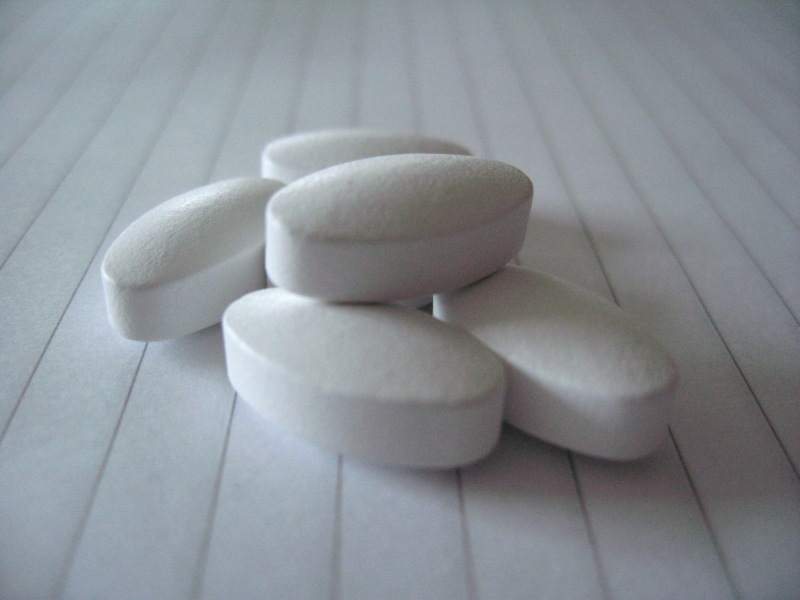
Controversy Over Calcium Tablets

Photograph courtesy of Kham Tran via Wikimedia Commons.

You’ve probably seen the “got milk?” commercials featuring celebrities with milk mustaches, which advertise the nutritional benefit of drinking calcium-rich milk. Your body needs calcium to maintain strong bones and perform other important functions like moving your muscles. If you don’t get enough calcium by eating foods like milk or supplements, then your body pulls calcium from bone.

Your bones are alive. Your body constantly removes old bone and replaces it with new. But as you get older, you often lose bone faster than you can grow it so bones can become weak and break easily. Osteoporosis and low bone mass affect about 52 million people in the United States and result in a fracture every 3 seconds worldwide.

To help prevent Osteoporosis, the use of calcium supplements is common – 43% of U.S. adults and almost 70% of postmenopausal women regularly take calcium supplements. But are these effective and safe? Recent research studies have reported inconsistent results on the benefits and risks of taking calcium supplements.

Calcium supplements commonly cause indigestion and minor constipation, and they infrequently cause kidney stones. Several recent studies suggest that they also increase the risk of heart attacks, but other recent studies disagree.

At the center of the controversy is a 2010 study published in the British Medical Journal. The study analyzed data from 15 randomized, placebo controlled studies of calcium-only supplements. The authors conclude that calcium supplements are associated with a modest increased risk of having a heart attack. Due to the wide use of these supplements, this could affect a large portion of the population. They advise, “A reassessment of the role of calcium supplements in the management of osteoporosis is warranted.”

The authors speculate that taking a calcium supplement causes a dramatic increase in the amount of calcium in your blood, unlike when you gradually get calcium from eating dairy products. This may cause calcifications in your blood vessels and heart, leading to an increased likelihood of having a heart attack. High levels of calcium in the blood may also increase blood clotting and stiffen arteries, both known to cause heart problems.

Although several studies agree with the 2010 British Medical Journal study, they have been criticized by other scientists. The criticisms focus on their patient selection, the number of patients who didn’t take the supplements for the entire study, the methods of statistical analysis, and not monitoring the intake of other dietary nutrients that might alter calcium effects.

In addition, several other research studies recently found no risk of heart problems due to calcium supplement use. For instance, the 2010 Women’s Health Initiative trial analyzed data from over 36,000 women taking calcium and vitamin D supplements and it showed no significant increase in heart problems.

Further research is needed to sort out these inconsistent research findings. But experts seem to agree that it is best to get your recommended daily calcium by eating calcium-rich foods. “A reasonable approach is to preferentially encourage dietary calcium intake and discourage the routine use of calcium supplements,” advises Dr. Douglas Bauer, a professor at the UCSF Medical Center.

How much calcium you need depends on your age. The Institute of Medicine recommends healthy adults to eat foods containing 1000 to 1200 mg of calcium per day. But more calcium isn’t always better. They also recommend avoiding a calcium intake above 2000 to 2500 mg per day to reduce risk of health problems like kidney stones.

In order to meet these recommendations, a useful first step can be to track what you eat during a typical week using a food diary. After calculating how much calcium you usually eat each day, you may need to change your diet to include more calcium-rich foods.

The top calcium-rich foods are yogurt, cheese, milk, sardines, dark leafy greens (collard greens, kale, bok choy, and spinach), fortified cereals, fortified orange juice, and soybeans. For example, you can get the recommended daily 1000 mg of calcium by eating 1 packet of fortified oatmeal (100 mg), 1 cup of 1% milk (305 mg), 8 ounces of nonfat plain yogurt (452 mg) and ½ cup of cooked spinach (146 mg).

“If it is not possible to consume enough calcium from the diet, the use of calcium supplements is most likely safe and not associated with cardiovascular outcomes,” said Dr. Douglas Bauer in a recent press release. But he advises against exceeding the Institute of Medicine guidelines.

This is a repost of my KQED Science blog.

Spotlight on Red Meat

photo of raw steaks
Photograph courtesy of IwateBuddy via Creative Commons licensing

Overall meat consumption continues to rise in the U.S., and 58% of the meat consumed is red meat. People in the U.S. eat 5 ounces of meat per day on average.

Eating a lot of red meat is known to contribute to heart disease, presumably due to the large amount of saturated fats and cholesterol in the meat. Or that is what we used to think. New research published in Nature Medicine indicates that the real culprit is a chemical in the red meat called L-carnitine. In a series of experiments on humans and mice, researchers found that L-carnitine is broken down by gut bacteria to produce trimethylamine-N-oxide (TMAO), which previous research has linked to heart and artery damage. TMAO alters how cholesterol is metabolized so less is eliminated from the body, allowing more cholesterol to deposit and harden into the artery walls.

But the researchers also found that frequent meat eaters produced significantly more TMAO than vegetarians after consuming the same amount of L-carnitine. For instance, L-carnitine supplements (250 mg) were given to 74 healthy volunteers, including 23 who were long-term vegetarians or vegans. The lab tests showed that consuming L-carnitine increased the level of TMAO in the blood, but meat eaters made far more TMAO than vegetarians or vegans.

Fecal studies also showed that meat eaters and vegetarians had different types of bacteria in their guts, and the meat eaters had more of the bacteria involved in breaking down L-carnitine into TMAO.

“The bacteria living in our digestive tracts are dictated by our long-term dietary patterns,” explained the lead researcher Dr. Stanley Hazen in a press release. “A diet high in carnitine actually shifts our gut microbe composition to those that like carnitine, making meat eaters even more susceptible to forming TMAO and its artery-clogging effects.”

The main food sources for carnitine are red meat and full-fat dairy products. It is also found in fish, poultry, tempeh, wheat, asparagus, avocados and peanut butter. L-carnitine is also commonly available as a dietary supplement, which is advertised as a weight loss and body building tool despite a lack of supporting scientific evidence. Plus L-carnitine is added to many energy drinks.

So eating all this L-carnitine is bad, right? Unfortunately it isn’t that simple.

Carnitine plays a vital and complex role in cardiac metabolism. Some people have diseases that cause a carnitine deficiency, so they need to take carnitine supplements. Studies have also shown that carnitine may help treat some heart conditions, such as angina, arrhythmias, heart attacks and heart failure. For instance, a meta-analysis review study in the Mayo Clinic Proceedings recently showed that taking L-carnitine supplements reduces your risk of ventricular arrhythmias by 65% and risk of angina by 40%, although no reduction in risk was seen for heart attacks and heart failure.

In general, scientific studies have shown both positive and negative effects on cardiac health from taking carnitine supplements. These discrepant findings may be due to differences in how the carnitine is administered and the dose. For instance, carnitine given by an intravenous or intramuscular injection would bypass the gut bacteria, so it may not form TMAO. Larger carnitine studies are needed, which also take into account the volunteers’ long-term diet and the bacteria ecosystem in their guts.

For more information about L-carnitine studies, check out my KQED Science blog.

Think Before You Drink Grapefruit Juice

photograph of grapefruit
Courtesy of dullhunk via Wikimedia Commons

You follow the directions on your medication carefully, always taking the pills with the correct frequency and with or without food as directed. But have you discussed with your doctor or pharmacist whether ingesting grapefruit could cause an unintentional drug overdose?

A drug is normally metabolized in the gastrointestinal tract, but a liver enzyme called cytochrome P450 3A4 (CYP3A4) deactivates much of the drug so the body only absorbs about half of it. This process is taken into account when a doctor prescribes the necessary dose.

However, grapefruit, grapefruit juice, Seville bitter oranges (used in marmalade), limes and pomelos naturally contain chemicals called furanocoumarins. These furanocoumarins inhibit the CYP3A4 enzymes, causing the gut to absorb much more of the drug at a potentially toxic level. Sweet oranges, such as navel or Valencia, do not contain furanocoumarins.

This grapefruit-medication interaction was discovered back in 1989 by David Bailey, Ph.D., a clinical pharmacologist at the Lawson Health Research Institute. However, Bailey recently released an expanded list of medications affected by grapefruit in the peer-reviewed Canadian Medical Association Journal. The number of drugs that interact with grapefruit has significantly increased to more than 85 as new drugs have come on the market. More importantly, 43 of these drugs could interact with grapefruit and lead to serious side effects, such as kidney damage, blood clots, respiratory depression, abnormal rapid heart beats (torsade de pointes) and sudden death.

So it is important to carefully read the information leaflet that comes with your medications, as well as discuss with your doctor or pharmacist how your diet may affect your medication.

For more information about a potential drug overdose caused by ingesting risky citrus, please check out my KQED Quest blog.

Breakthrough in Understanding Celiac Disease

grocery store bread aisle
Courtesy of Creative Commons

It seems like more and more food boasts that it is gluten-free on the packaging. Is this just another food fad being pushed by marketing agencies? Or is there a real medical need for a gluten-free diet?

Gluten is a protein present in wheat, barley, and rye that can be found in foods like bread, pasta, cake, cereal and beer. Gluten is also added as a stabilizing agent to some unexpected foods like ketchup and ice cream. Maintaining a gluten-free diet can be difficult and expensive, so most people on this restricted diet have Celiac disease.

Over 2 million people in the United States have Celiac disease, or 1 in 133 Americans. Celiac disease is a common genetic disorder in which a person has an autoimmune response to gluten. Symptoms can vary widely, but common symptoms include diarrhea, bloating, and abdominal pain. These symptoms are caused by the person’s immune system mistaking the gluten as a hostile organism. As the immune system attacks the gluten, the small intestines are inflamed and damaged. Currently people with Celiac disease have to rely on a lifelong gluten-free diet.

However, researchers have recently discovered the cause of this immune reaction, as reported in the peer-reviewed journal Science Translational Medicine. A large study was performed by scientists from Australia, the UK and Italy. These researchers recruited 226 volunteers with Celiac disease (age range 19-70 years, average age 50 years, 73% women) and a control group with similar characteristics. Prior to participating in the study, the volunteers with Celiac disease had been strictly gluten-free for at least 3 months and the normal controls for 1 month.

During the study, the volunteers ate foods with gluten — barley risotto, slices of wheat bread, rye muffins, or a combination of these over three days. Eating these foods induced an immune response in the volunteers, causing their bodies to produce gluten-specific T cells (a type of white blood cells that are important in the immune system). Blood samples were taken for each volunteer at the time of the first “grain eating challenge” and 6 days later. Researchers then performed complicated laboratory analysis of these T cells from the blood samples.

The researchers identified three key substances (specific peptides) in the gluten that caused most of the immune response. These key substances were found in all three grains — wheat, barley and rye. Effects of other gluten substances were found to be negligible in comparison.

This breakthrough in understanding Celiac disease should lead to new treatments, such as immunotherapy. In immunotherapy, a person is repeatedly exposed to toxins that cause an immune response, eventually causing the body to tolerate the toxins. This technique is commonly used to reduce allergic reactions — e.g., to grasses or pets. The researchers are now designing and testing an immunotherapy for Celiac disease, based on using the three identified key substances in gluten as the toxins. This new therapy is now being tested as a phase 1 clinical trial. Hopefully some day soon people that suffer from Celiac disease will be free of a gluten-free diet.

Jet Lag? Sleepless Nights?

woman laying on bed awake
Courtesy of Wiros via Creative Commons

A while back I used melatonin supplements in order to help with jet lag, since I was traveling for work to Germany. A friend that travels a lot had recommend melatonin to me, and it did seem to help me re-establish a normal sleep cycle when dealing with a large time shift.

Occasionally I have trouble sleeping through the night at home also. I usually fall asleep right away, but I wake up in the middle of the night and sometimes have trouble falling back to sleep. I have allergies and regularly take antihistamines, so the popular over-the-counter sleep aids like Tylenol PM (which has the same active ingredient as Benadryl as the sleep aid) don’t really work for me. So I wondered if I should take melatonin instead. Although melatonin is an herbal supplement, I did a little research to determine if I think it is safe to take as a normal sleep aid. This is what I found.

Melatonin is a hormone naturally produced by your pineal gland, which is a small pea-sized structure located deep inside your brain between the two hemispheres. Melatonin regulates your circadian rhythm, or basically your 24-hour internal clock. When the sun sets and darkness falls, you begin to naturally secrete increased levels of melatonin.  As the melatonin levels rise in your blood, you start to feel sleepier. This hormone level is highest in your blood around bedtime and stays elevated for about 12 hours, then it falls back to the low daytime level around 9 am. Although nighttime melatonin levels remain at least an order of magnitude higher than at daytime throughout your life span, the concentration of melatonin continually decreases as you age. This helps explain why many older adults have problems with frequent insomnia.

Melatonin supplements have been shown to help “reset” the body’s internal clock in those suffering from jet lag, shift workers who work nights and sleep during the day, and blind people. There have been many studies on melatonin use, including studies on its effect to reduce insomnia for older adults. One such research study was performed by Richard Wurtman at the Department of Brain and Cognitive Sciences at MIT. He studied two groups of elderly subjects; one group had frequent insomnia and the other slept normally. Each subject received either a placebo or a melatonin dose about 30 minutes prior to bedtime, and those who received the melatonin were given a dose of either 0.1, 0.3, or 3.0 mg. Each subject was medicated for 7 days, followed by a “washout” period of 7 days. Wurton found that taking the hormone significantly improved the quality of sleep for the older adults. More importantly, he found that they were able to sleep through the night best when taking the 0.3 mg dose. Now perhaps this shouldn’t be surprising, because the body naturally produces melatonin at this “physiological” level. However, the typical over-the-counter melatonin dose is 3 mg and this was determined to be less effective in helping insomnia.

Despite the many studies that have demonstrated melatonin to be an effective sleep aid, there is still controversy about melatonin use though. Some doctors consider it harmless and others potentially harmful. This is true, in part, because the function of the melatonin hormone may not be fully understood. What is understood is that melatonin does more than just regulate the internal clock, such as affecting the onset of puberty. It is also clear that melatonin is only available as a prescription in many European countries and Canada (although this seems to be due more to ingredient regulatory issues than medical concerns), whereas in the US it is an herbal supplement that isn’t regulated by the FDA.

So what does this all mean? Mostly it means that the human body is a complicated system that we don’t entirely understand. But from what I’ve read, I’ve concluded that melatonin is probably a safe and effective sleep aid for adults (at least those over age 50). Of course, I’m a scientist and not a medical doctor. All in all, it is probably best to speak with your physician before taking it regularly as a sleep aid. If you consider taking melatonin, you do need to remember that it is a sleep regulator rather than a sleep inducer. It isn’t the same as taking something like Ambien or Tylenol PM. You also probably want to somehow chop up the over-the-counter pills into smaller pieces (doses) without getting a crumbled mess. For now, I’m just going to stick with daily exercise, relaxing before bedtime, Advil for sore muscles, and the World Finest Ear Plugs for peace and quiet. Sweet dreams.