
Physicians urged to talk to their patients about guns

Physicians often discuss sensitive issues such as sexual behavior and substance use with their patients. Although everyone may squirm a bit, these conversations help doctors identify health risks so they can properly counsel their patients.

Now, there is a growing movement to add guns to the exam room discussion. Many professional organizations, including the American College of Physicians, recognize that gun-related injuries and deaths are a major public health problem, not just a criminal violence issue. So they advocate that physicians speak with their patients about firearms and intervene when patients are at risk for injuring themselves or others due to firearm access.

Editors from the Annals of Internal Medicine recently wrote, “Regardless of whether one believes guns hurt people or that people hurt people with guns, we have a public health crisis and health care professionals have an obligation to do what we can to combat it.” They later added in the editorial, “Physicians and other health professionals at the frontline of patient care can help prevent firearm-related harm one patient at a time.”

Although horrifying, mass shootings account for only 1 to 2 percent of deaths from firearm violence; other incidents involving guns cause about 95 such deaths per day. Such statistics inspired Garen Wintemute, MD, a professor of emergency medicine and director of the Violence Prevention Research Program at the University of California, Davis, to research firearm violence.

In a recent article in Annals of Medicine, Wintemute explained that people who commit firearm violence — whether against others or themselves — have well-recognized risk factors that often bring them into contact with physicians. These risk factors include alcohol and substance abuse, a history of violence, suicide attempt(s), poorly controlled severe mental illness and serious life stressors, he wrote.

However, not all physicians are comfortable discussing firearms with their patients, even if they think it is appropriate. For instance, they may feel they don’t know enough about firearms. Wintemute urges doctors to educate themselves and hospitals to develop continuing education programs on the benefits and risks associated with owning and using firearms. He also urges physicians to make a public commitment to ask their patients about firearms.

There are online resources to help physicians get the conversation started. For example, the Massachusetts Medical Society has online materials and a CME course that covers practical tips on how to talk to patients about gun safety. Wintemute is also happy to provide resources and to follow-up with physicians who make the online pledge — just click the box giving him permission to contact you.

An opinion piece in the Washington Post provides some additional guidance. In the article, Stanford resident Nathanial P Morris, MD, gave practical advise to physicians that identify a patient who owns a gun and wants to self-harm or harm others. “We can pursue a range of options, from handing out gun locks to requesting family or friends temporarily hold onto firearms to asking that local police perform a welfare check at the patient’s home,” he said in the piece. “In extreme cases, if patients pose an imminent risk to themselves or others because of mental illness, we can place them on a legal hold to evaluate them in the hospital for up to 72 hours.” The goal of these actions, he wrote, is to limit patients’ access to guns to protect them from transitory suicidal or homicidal impulses. Morris added:

“ We’re not out to get anyone’s guns. We don’t wake up hoping to infringe on patients’ personal lives. But, to keep patients and communities healthy, clinicians need to be able to ask about firearms.”

This is a reposting of my Scope blog story, courtesy of Stanford School of Medicine.

How to improve care for LGBT patients

Photo by Gustavb Guanaco

No one facing health concerns should have to worry about receiving inequitable care because of their sexual orientation or gender identity. But studies and surveys show that many lesbian, gay, bisexual and transgender individuals experience discrimination by healthcare providers — including clinicians who refuse to provide needed care, refuse to touch them or use excessive precautions, are disrespectful or simply blame them for their health status.

Fortunately, healthcare providers can improve clinical care of their LGBT patients by taking proactive steps, as outlined in a recent viewpoint in JAMA. In particular, Alexia Torke, MD, and Jennifer Carnahan, MD, professors of medicine at the Indiana University Center for Aging Research, focus in the paper on how to optimize care for older LGBT adults, who are the first generation to be more open about their sexual orientation or gender identity.

The authors recommend that clinicians use inclusive language, such as using a patient’s preferred name and pronoun and asking about a spouse or partner regarding marital status. Forms disclosing sex should also include options for transgender patients, such as “male-to-female,” they say.

In addition, they recommend that physicians learn about the medical concerns specific to LGBT patients, such as hormone treatment and gender affirming surgery for transgender individuals. They also state that screening and diagnosis for medical conditions should be based on a person’s anatomy rather than their gender identity, giving the example that a female-to-male transgender patient is at risk of gynecologic cancers if he has not had a hysterectomy.

Torke and Carnahan also indicate that clinicians should better understand the unequal treatment that many sexual and gender minority patients face, which can have financial, social and health consequences. For instance, these individuals may not have access to health insurance due to employment discrimination or as an unrecognized spouse.

They also recommend that LGBT-friendly clinicians register as a “safe physician” with organizations like the Gay and Lesbian Medical Association.

A key to improving care for these patients is training, according to the authors and other experts. So the Human Rights Campaign has established best practices for health care organizations and provides free online training for healthcare providers.

The campaign also evaluates the implementation of these best practices and publishes an annual report. In the 2017 report, almost 600 healthcare facilities participated in the related survey and more than 900 non-participating hospitals were also researched. Happily, over 300 of the participating facilities were rated as a “leader in LGBTQ healthcare equality” with a score of 100 — including Stanford Health Care.

The authors conclude in the paper:

“Although lesbian, gay, bisexual, and transgender older adults face barriers to good health and health care, clinicians can take proactive steps to improve the care they deliver. These steps include education about prior discrimination and major health needs, as well as policies that ensure respect for the individual patients and equal treatment in all health care settings.”

This is a reposting of my Scope blog story, courtesy of Stanford School of Medicine.

Stanford chemists produce chemical — originally from marine creature — needed for new drugs

Photo by Fitzgerald Marine Reserve Docent

One person’s weed is another’s flower. A good example of this is spiral-tufted bryozoan, an invasive marine organism that fouls up marine environments. Although considered a pest by many, spiral-tufted bryozoan is much sought after by researchers since it can produce biostatin 1 — a chemical critical to the development of promising new drugs to treat HIV/AIDS, Alzheimer’s disease and cancer.

Although this bryozoan is abundant, bryostatin 1 is very scarce because it’s difficult to harvest from the sea creature and complex to synthesize. In fact, the National Cancer Institute’s stock of bryostatin 1 is nearly depleted from supplying over 40 clinical trials. So Stanford chemists have developed a new, easier way to synthesize bryostatin 1, as recently reported in Science.

Paul Wender, PhD, a professor of chemistry and of chemical and systems biology at Stanford, has been working for years to develop bryostatin analogs that are more effective for drug development. However, the dwindling supply of bryostatin 1 inspired him to synthesize the drug itself.

“Ordinarily, we’re in the business of making chemicals that are better than the natural products,” Wender said in a recent Stanford news release. “But when we started to realize that clinical trials a lot of people were thinking about were not being done because they didn’t have enough material, we decided, ‘That’s it, we’re going to roll up our sleeves and make bryostatin because it is now in demand.’”

The researchers devised a much simpler synthesize process, cutting the steps down from 57 to 29. They also dramatically increased the yield, making it tens of thousands of times more efficient than extracting bryostatin from spiral-tufted bryozoan and significantly more efficient than the previous synthetic approaches. And they confirmed with a wide range of tests that their synthetic bryostatin was identical to a natural sample supplied by NCI.

So far, the team has produced over two grams of bryostatin 1, and a single gram can treat about 1000 cancer patients or 2000 Alzheimer’s patients, according to their paper. After scaling up production, they expect manufacturers to produce about 20 grams per year to meet clinical and research needs, Wender said in the news release.

They also expect their work could facilitate research using bryostatin analogs derived from their synthesis process. The paper explains that these analogs “are proving to be more effective and better tolerated in comparative studies with cells, disease models in animals, and ex vivo samples taken from HIV-positive patients.”

This is a reposting of my Scope blog story, courtesy of Stanford School of Medicine.

Measuring patient experience in two words

Photo by mcmurryjulie

How much can you convey in just two words?

Quite a bit, according to new research from the University of Alabama at Birmingham. Researchers there assessed physician performance by asking patients, “Please describe your provider in today’s visit in 2 words,” using a free-text comment box that was distributed electronically or on paper immediately following a clinic visit. This simple query was added to the standard, lengthier patient experience survey that typically takes 15 minutes to complete.

The research team analyzed the resulting two-word scores for 716 physicians at a large academic medical center. Positive and negative word rates were calculated for each physician and shown to correlate well with the standard performance scores, such as a physician’s national percentile rank.

The research appears in JAMA.

The data was also used to create positive and negative response word clouds in which the font size equaled the frequency of the word — providing a visual representation of the patient’s perception of the clinician.

In addition to improving survey response rates, the researchers hope this new qualitative and visual assessment will help physicians better understand their strengths and weaknesses so they can improve their performance.

The study data is already being used for a variety of purposes, including professional reviews and assessment of clinical education. The researchers also said they are collaborating with other institutions to explore the use of this survey method in different health care settings.

In the paper, the authors concluded:

The 2-word innovation is a simple, relevant, and actionable approach to capture meaningful information about a physician and has already piqued the interest of other health systems.

This is a reposting of my Scope blog story, courtesy of Stanford School of Medicine.

Local knowledge key to building healthier communities

Photo by Chris Waits

Your zip code is just a number meant to guide mail delivery, but studies show that it predicts your lifespan better than your genetic code. For instance, the average life expectancy in New Orleans varies by as much as 25 years in communities only a few miles apart.

This health disparity is driving health care providers, researchers, urban planners and community members to work together to build healthier, more equitable communities — addressing the key factors that determine health and well-being outside the clinic.

““It’s not enough to ask how we can build healthier, happier and greener communities without first addressing the real inequalities that are impacting the design of our cities,” said Antwi Akom, PhD, an associate professor of environmental sociology, public health and STEM education at San Francisco State University, at Stanford Medicine X earlier this month.

However, this design movement depends on access to reliable data, which led the Obama administration to launch The Opportunity Project to “unleash the power of data and technology to expand economic opportunity in communities nationwide.” The project released 12 smartphone apps to provide easy access to governmental data on housing, transportation, schools, neighborhood amenities and other critical community resources.

One of these apps, called Streetwyze, was developed by Akom and Aekta Shah, a PhD candidate at Stanford University, through the Institute for Economic, Educational and Environmental Design. Streetwyze is a mobile, mapping and SMS platform that collects real-time information about how people are experiencing cities and local services, so the data can be turned into actionable analytics.

“The real challenge of the 21st century health data revolution is how do you bridge this gap between official knowledge and local knowledge in ways that make the data more reliable, valuable, authentic and meaningful from the perspective of everyday people?” said Akom at Medicine X. “We think the missing link is real-time two-way communication with every day people so they can participate in the design solutions that meet their every day needs.”

Streetwyze harnesses local knowledge to address questions like: How walkable is my neighborhood? Where can I buy affordable healthy food? How safe is my local park?

For example, a map of East Oakland based on county and city business permits shows many grocery stores in the area. But the reality, according to Akom and Streetwyze, is that most of these supposed grocery stories are actually liquor or corner stores, where you can’t find fresh vegetables or food.

In addition to providing more reliable data to design healthier communities in the future, the Streetwyze data already plays a critical role for community members and some organizations. “Every community has assets,” said Shah. “The Streetwyze platform actually helps lift those up, so that communities can better share those resources and organize around those assets that already exist.”

At Stanford, Shah is using Streetwyze to research how this digital technology may impact youth self-esteem, civic engagement, environmental stewardship and more.

This is a reposting of my Scope blog story, courtesy of Stanford School of Medicine.

Stanford researcher explores use of meditation app to reduce physician burnout

Photo courtesy of Louise Wen

Slammed by long and unpredictable hours, heavy clinical workloads, fatigue and limited professional control, many medical residents experience stress and even burnout. And surveys indicate this burnout can seriously impact physician well-being and patient care outcomes.

How do you combat burnout? Studies show that meditation can improve well-being, but jamming one more thing into a resident’s hectic day is tough, as Louise Wen, MD, a clinical instructor at Stanford’s Department of Anesthesiology, Perioperative and Pain Medicine, points out. So Wen joined a team of Stanford researchers to test the effectiveness of a mindfulness app, and there work was published this summer in Academic Psychiatry.

I recently spoke with her about the pilot study.

What inspired your study?

“I experienced burnout as a resident, and meditation was a key aspect to my recovery. Growing up, I had been introduced to meditation by my family. In college, I trained to become a yoga teacher and therapist. However, once residency started, my mediation practice essentially stopped.

My low point in residency was precipitated by a HIV needle-stick injury. The month-long antiretroviral prophylactic therapy was effective, but I struggled with the medication’s side effects. My mother advised me to meditate, and afterwards, I felt like my brain had been rebooted. Surprised by the effect of such a brief intervention, I wanted to explore ways to introduce this technique to other time-strapped and stressed residents.”

Why did you use a mindfulness app?

“The gold standard for mindfulness studies is a Mindfulness Based Stress Reduction course developed by Jon Kabat-Zinn, PhD. This eight-week course entails a two-hour group class weekly and 45 minutes of individual home practice daily, plus one full-day silent retreat. This excellent and evidence-based intervention is unfortunately not a feasible format for residents. Instead, the Headspace app on a smart phone delivers guided meditations in an efficient and accessible format.

For the study, we recruited 43 residents from general surgery, anesthesia and obstetrics and gynecology. They were asked to use the app at least two times per week for a month. The app provided 10-minute guided audio meditations, animated videos and longer focused meditations.”

How did you measure whether the app improved wellness?

“Our participating residents were asked to complete surveys measuring their stress, mindfulness and app usage — at enrollment, week 2 and week 4. We found that residents benefitted from using the app and this benefit correlated with increasing app usage.”

Are you doing any follow-up studies?

“A significant challenge of our app study was motivating people to practice the intervention. We’re now working on a study based on the concept of the popular opinion leader. We have developed a four-week, video-based curriculum for anesthesia residents. These videos feature interviews with attendings from our department, where they share their personal meditation and gratitude practices. We showed the videos to the intervention group of residents, whereas the control group watched a boring video of me saying that they should meditate. We are now analyzing the data.”

This is a reposting of my Scope blog story, courtesy of Stanford School of Medicine.
What history can teach us about medicine: A Q&A with a Stanford medical student

Photo by Shivam Verma

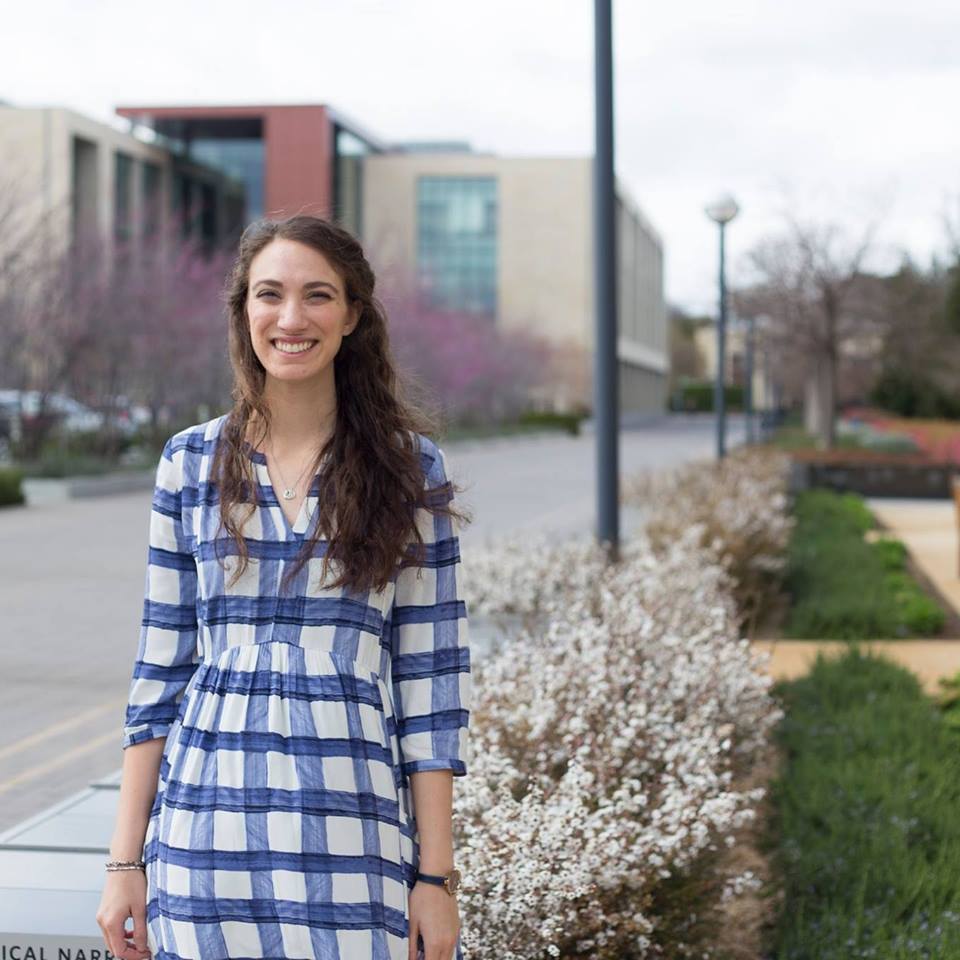
When I think of history, I think of the famous quote: “Those that fail to learn from history are doomed to repeat it.” This is often brought up in reference to politics, but what role does history play in science and medicine? To learn more, I spoke with Julie Barzilay, a second-year medical student at Stanford who has studied the history of science.

How did you first become interested in the philosophy and history of science?

“As an undergraduate at Harvard, I took an incredible course on the history of Darwin and evolutionary theory that introduced me to the world of history and philosophy of science. It was fascinating and powerful to think about scientific knowledge as something that was created by humans in particular contexts and as something that was constantly being evaluated and re-imagined. I was especially drawn to the history and philosophy of medicine, where complex issues of identity, power, stigma, hope, fear and biopsychosocial dynamics all seemed to intersect. Once I began thinking like a historian, I could never see science and medicine the same way again — and I think that is a very good thing.”

How can this enrich the everyday practice of science and medicine?

“All knowledge has a history. Analyzing the ways that humans constantly create and revise their understanding of scientific processes makes us more innovative and critical when it comes to challenging assumptions in our fields. I also believe that thinking historically and sociologically builds empathy. Sociologists, historians, philosophers and anthropologists of science have made us think hard about concepts like the power dynamics in the doctor-patient relationship, or how a patient’s identity changes when given a diagnosis. And thinking about medicine in these terms adds so much depth to the care a physician can give a patient.”

What motivates you to still pursue this interest as a busy medical student?

“I think history is incredibly colorful, fun and important. I am also curious about the history of the profession I’m joining, and often find the questions that excite me the most live at the intersection of history, ethics and sociology of medicine.

I want to share these frameworks and passions with my peers. This is what motivated me to develop the upcoming lunch series on the history of science and medicine, which I created with the support of the Biomedical Ethics and Medical Humanities Scholarly Concentration, particularly Audrey Shafer, MD, and my advisor for this course Laurel Braitman, PhD. The class will introduce students to an array of talented historians, sociologists, anthropologists and bioethicists at Stanford as we rotate through a new speaker each Thursday at 12:30 pm. I hope the speakers inspire students to think historically and ask tough questions about our assumptions in all scientific fields.”

What are your career plans?

“After completing my MPhil in history and philosophy of science at the University of Cambridge and finishing my premed courses in a post-baccalaureate program at Johns Hopkins University, I worked at ABC News as a production associate in their medical unit in New York. I love communicating about health and medicine, and hope to integrate health communication into my career one day. In terms of clinical practice, I am most interested in pediatrics, but am open to exploring other fields during my upcoming clerkships. I hope to teach, write and practice, in some combination.”

This is a reposting of my Scope blog story, courtesy of Stanford School of Medicine.

New study shines light on how to better engineer fluorescent proteins

Photo by Lars Juhl Jensen

Researchers have now captured the ultrafast changes of green fluorescent proteins as they transition between a dark and fluorescent state, using an X-ray laser at the SLAC National Accelerator Laboratory.

Green fluorescent proteins (GFPs), originally found in the jellyfish Aequorea victoria, have helped transform biomedical research. Their green glow has acted like a flashlight on the inner workings of cells, illuminating pathways and processes in lab dishes and living animals since it was discovered in 1961. The protein acts as a molecular switch depending on the conditions, flipping from dark to glowing when excited by light. Scientists attach these fluorescent tags to other proteins to track their activity — studying how cancer cells spread, how HIV infections progress, how genes are expressed and much more.

Although researchers have used these proteins for decades, they were unable to observe how GFPs flipped between their dark and glowing states until now. The transition was too fast for traditional X-ray imaging techniques. So an international collaboration of scientists recently used SLAC’s Linac Coherent Light Source, one of the world’s fastest and brightest X-ray lasers, to excite the proteins and take snapshots of the fluorescent molecules in action.

These images were used to investigate what happened as GFP flipped states — with the hope of engineering GFP to make this happen even faster. They found that the protein became momentarily stuck between a dark and glowing state, as reported in Nature Chemistry.

“After a picosecond, a very short time, this molecular switch is stuck between on and off,” said Martin Weik, PhD, a scientist at the Institute of Structural Biology in Grenoble, France, in a recent news release. “People have predicted this, but to actually confirm it experimentally is extremely exciting. It’s as if there is a door and it’s neither closed nor completely open; it’s half open. And now we are learning what can go through the door, what might be blocking it and how it works in real-time.”

The team discovered that an amino acid partially blocked the doorway, slowing the GFP’s ability to flip states. Using this knowledge, they then engineered a mutated version of the protein with a smaller amino acid that could switch more quickly — creating a brighter and more efficient fluorescent tag that can observe cellular processes more precisely.

“We think that this approach will open a world of possibilities to tailor and create proteins,” Weik said in the release. “We not only have the structure of the molecule, but now we can see what is happening between one static state and the other.”

This is a reposting of my Scope blog story, courtesy of Stanford School of Medicine.

Misconceptions about opioid use: A Medicine X discussion

Photo courtesy of Stanford Medicine X

We often hear about the “opioid crisis” and its devastating effects — more than 90 Americans die every day from an opioid overdose and about 2 million suffer from substance use disorders involving prescription opioids. But, argued panelists at a Stanford Medicine X session on the topic yesterday, the issues are often oversimplified in public discussion and by the media, which stigmatizes opioid users and contributes to misconceptions.

The afternoon panel — which Larry Chu, MD, moderator and executive director of Medicine X, deliberately called “Opioids in America” instead of “The Opioid Crisis” — offered a broad range of perspectives from patients and physicians. Among the misconceptions discussed by the panel:

  • Only drug addicts use opioids: Joe Riffe, an ePatient and paramedic, explained, “If you use opioids, you’re seen as weak or a drug addict or a drug seeker. I’ll never take an opioid on duty, but I’m forced to use them because I’m in too much pain from my amputation. And it’s really looked down upon, especially in the medical community.”
  • People choose to be opioid addicts: Ashley Elliott, a recovering addict, artist and psychology major, noted, “People that are addicted to opioids don’t want to be. And if you’re a recovering addict, finding a doctor who is willing to treat you as a human as opposed to an addict is difficult.” Thomas Kline, MD, PhD, a patient and geriatric medicine specialist in Raleigh, North Carolina, agreed: “People with opioid addictions have been lepers for years and now another 9 million people have become lepers because they take pain medicine.”
  • Opioids are readily available: “Opioids are not being thrown at patients like candy, as it’s sometimes portrayed in the media,” said Heather Aspell, a patient, artist, attorney and disability advocate. “We actually have to go through so many hoops to get our medication. Beyond simply getting the prescription from a doctor, it can be challenging to even find the medication. I get refused by pharmacies regularly.”
  • Doctors are adequately treating pain: Anesthesiologist and pain medicine specialist Frank Lee, MD, told the audience, “Data shows that we’re doing a terrible job for a lot of populations, including cancer patients, surgery patients and chronic pain patients. Now is the time to re-evaluate the paradigm. We don’t need more guidelines. We need to work together, providers and patients, to re-exam this pain-treatment paradigm.”
  • We handle prescription opioids like other countries: “I think the biggest misconception is that the United States is normal in how it handles prescription opioids,” said Stanford addiction expert Keith Humphreys, PhD. He later added, “The United States’ opioid use dwarfs any other nation by a very large factor. So we over prescribe. And at the same time, there are people who absolutely need these medications and don’t get them. So we also under prescribe. As my friend Sean Mackey, MD, PhD, says, we shouldn’t be pro-opioid or negative-opioid; we should be pro-patient.”

After the panel discussion, Medicine X executive board member Nick Dawson moderated a town hall — pushing the panel and audience to think boldly about potential solutions. Among attendees’ suggestions was to change how prescriptions are written by going beyond a numeric pain scale to identify the goal for the pain medication, being more specific about what is being treated on the script and creating a certification process for patients with chronic pain that is recognized by pharmacists.

Near the end of the session, Bruce Greenstein, the United States Department of Health and Human Services’ chief technology officer, announced an opioid challenge summit and code-a-thon taking place in Washington, D.C. this December. And Chu closed things out with a hopeful note: “I started out this conference asking us to think outside the box about these tough topics, and I think we made a start on that today. … We’re reducing the stigma about opioids by talking about it and we’re raising awareness. Let’s keep talking.”

This is a reposting of my Scope blog story, courtesy of Stanford School of Medicine.
Cureus medical journal aims to be the “digital scrub sink of the 21st century”

Photo courtesy of John Adler

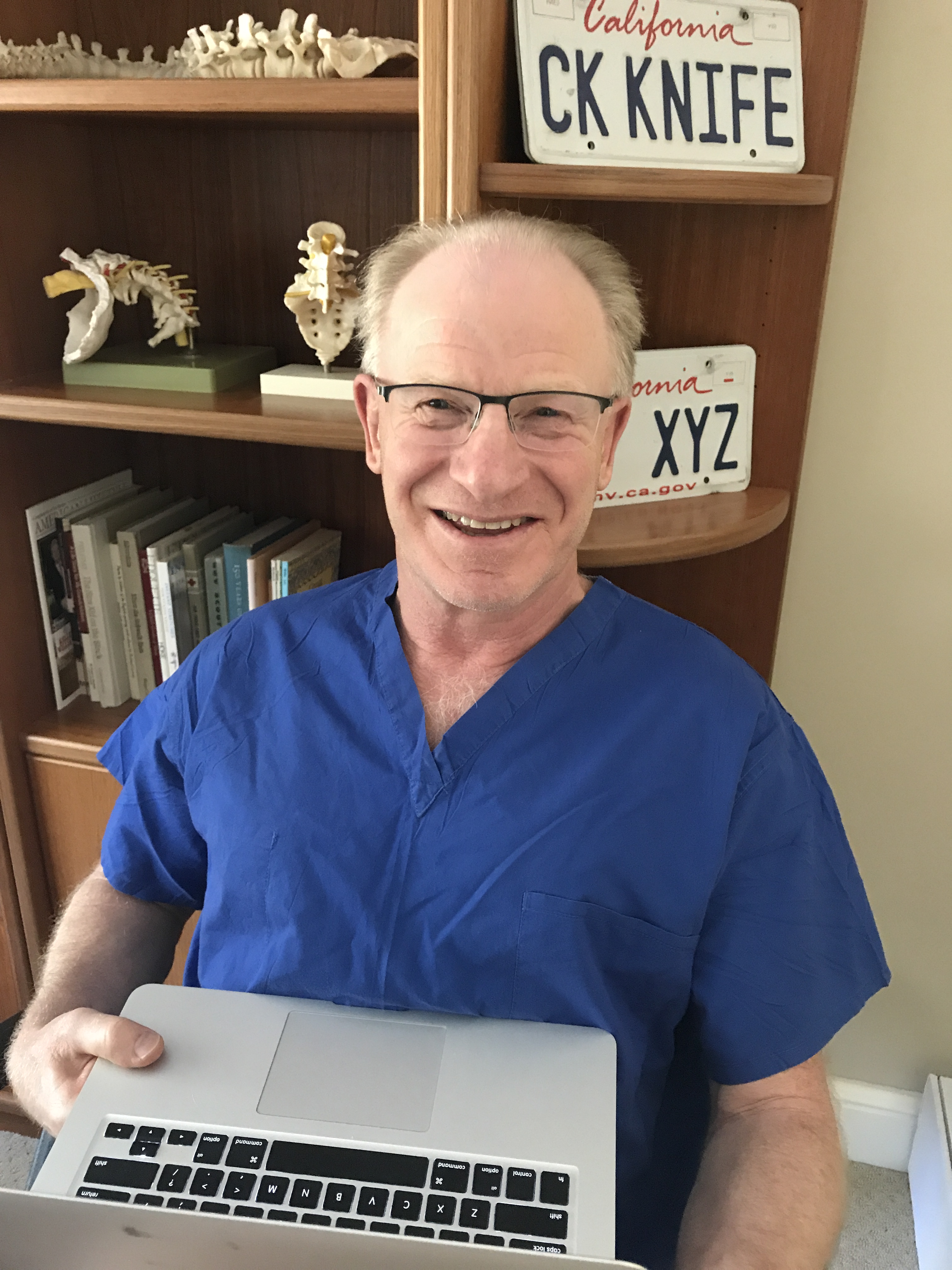
I’ve struggled through the slow and often painful process of publishing, both as an author and peer reviewer. So I was curious about the medical journal Cureus, which aims to preserved scientific quality while making this process free, easy and efficient. To learn more, I spoke with its founder, John Adler, MD, a Stanford professor in neurosurgery, emeritus.

Why did you start the Cureus Journal of Medical Science?

“I started Cureus because I was dissatisfied with the existing world of medical journals, which have become increasingly preoccupied with tenure and prestige. The ‘best journals in the world’ are now largely the province of a small community of elite academics from places like Stanford, Harvard and Yale, but the large majority of patients are cared for outside these institutions. Unlike most journals, Cureus focuses on the observational and practical side of clinical medicine, which is of great importance to nearly all patients.

About eight years ago, I had trouble publishing a paper on a surgical procedure for which I’m an acknowledged world expert. It was such a hassle — even for an insider, a big name doctor from a big name institution. This experience inspired me to start Cureus to enable more rapid and free publication.” 

How did you come up with the name Cureus?

“Cureus embodies a double entendre: ‘Cure’ ‘us,’ the goal of community-supported scientific journalism. And ‘curious,’ the embodiment of the best scientific thinking.

Why does Cureus focus on case studies?

“We’re moving towards a world of precision medicine with the basic premise that we’re all unique and don’t all have the same response to a treatment. So I argue that the ultimate kernel of truth is at the individual patient level and therefore we need to be documenting the stories of individuals even more. Any important discovery of medicine started basically with a case study — a key observation.

Surgeons learn many of their best tricks over the scrub sink, by talking to another surgeon about something she just figured out a few days ago. Cureus would like to be the digital scrub sink of the 21st century. The existing big journals play an important role, but their rigid standards prevent the publication of the myriad small, practical secrets that you learn as a practicing physician — and that’s what interests me.” 

How does Cureus work?

“An efficient peer review happens before an article is published and then there is a post publication scoring process. Every reader is invited to give a numerical score. However, someone who has deep domain knowledge as a specialist in a specific field gets more votes over a general practitioner.

If an article is scored many dozens of times, then we get a very good measure of the article’s quality. Ultimately, Cureus aspires to use the collective wisdom of all physicians.”

What are your goals?

“Today we are publishing just over 1000 articles each year, but the goal is to annually publish millions of medical stories that are peer-reviewed, curated and widely disseminated. These published stories can then also provide the substrate for subsequent analysis through machine learning. Currently, so much of machine learning is based on mining electronic medical records, which are primarily billing records and therefore deeply flawed sources of information. So I want to make it easier for doctors — who each day make important clinical observations — to document them.

I’m not going to be the computer scientist who reveals hidden truths from this data. But I want to be the guy who changes the world by helping people collect the data. It takes a certain scale and we need to be about three orders of magnitude bigger. But once we are, watch out!”

This is a reposting of my Scope blog story, courtesy of Stanford School of Medicine.