Names matter: Transforming how we label foods

When it comes to food, names matter — according to a new Stanford-led study recently published in Psychology Science

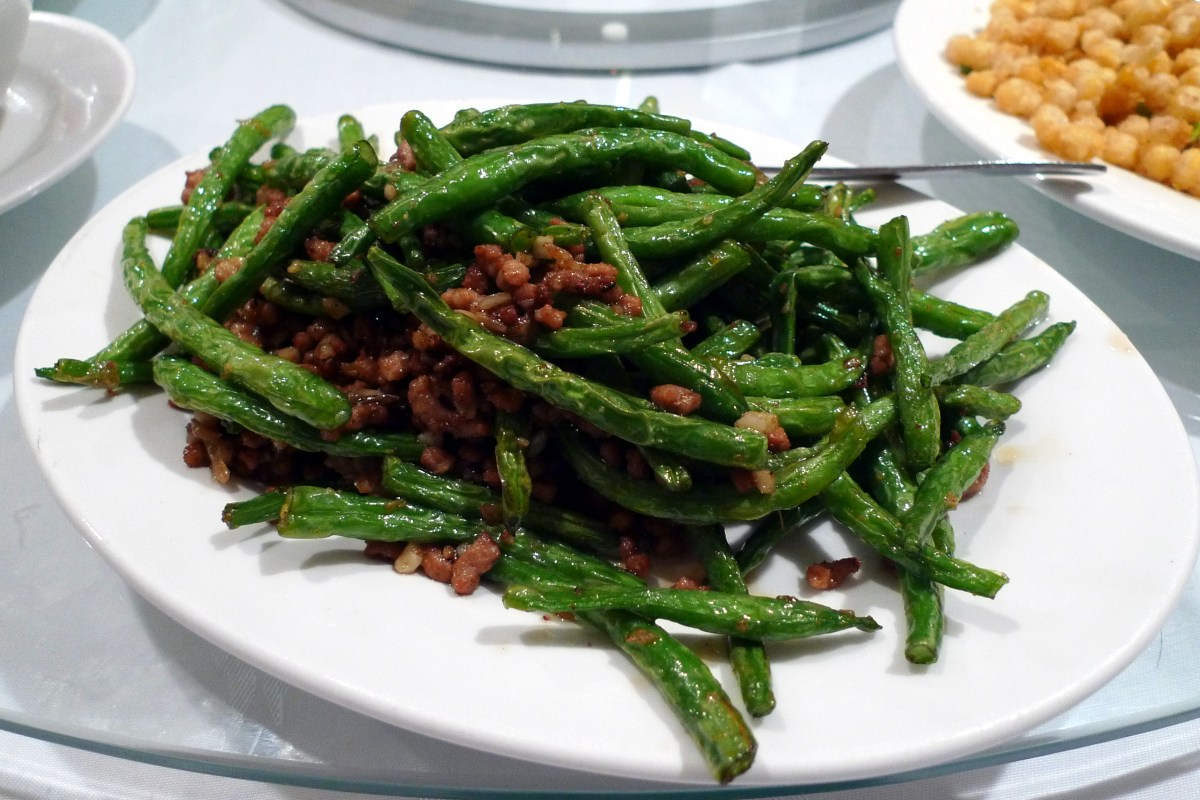
Do the words “steamed green beans” cause your eyes to keep moving down the menu page? Or do you prefer “sizzling Szechuan green beans with toasted garlic”?

People generally prioritize tastiness over health benefits when they choose what to eat. So the researchers investigated whether people can be motivated to eat healthier by highlighting tastiness when naming vegetable dishes.  

“Most strategies to date have focused on getting people to avoid unhealthy foods, in the hope that the promise of health motivates them to eat better,” said Bradley Turnwald, PhD, a postdoctoral fellow in psychology at Stanford and first author of the paper, in a recent Stanford News story. “The problem is, that doesn’t actually motivate most people to approach healthy foods.”

Partnering with the Menus of Change University Research Collaboration, the research team measured the behavior of undergraduate students in self-serve dining halls at five schools around the country for over three months.

They tracked nearly 140,000 food decisions about 71 vegetable dishes that were labeled with a taste-focused, health-focused or neutral name. In a rotating lunch menu, each dining hall served the same vegetable dish on the same day of the week adjacent to the same food choices — changing only the labels.

Taste-focused labels used words that highlighted specific flavors of the ingredients or preparation methods, along with words that suggested a positive experience through excitement, indulgence, tradition or geographic locations.

Health-focused labels communicated the nutritional qualities and health benefits of vegetables. Basic or neutral labels were nondescript. For example, the taste-focused label of “caramelized balsamic and herb vegetable medley” was changed to the health-focused label of “light n’ fit vegetables” or just the basic label of “vegetables.”

The study found that taste-focused labels increased diners’ vegetable selection by 29 percent compared to health-focused labels, and by 14 percent compared with basic labels.

But did the college students eat the vegetables on their plates? The researchers also investigated this question at one of the schools, where they measured by weight the amount of vegetables the students actually consumed. They found the diners ate 39 percent more vegetables when given taste-focused labels compared to health-focused labels.

Taste-focused labeling is about more than just adding appealing adjectives, however. A supplemental study demonstrated that the name needs to be true and to convey specific positive flavor expectations. For instance, the taste-focused “panko parmesan crusted zucchini” outperformed the vaguely-positive “absolutely awesome zucchini.”

“College students have among the lowest vegetable intake rates of all age groups,” said Turnwald in the news article. “Students are learning to make food decisions for the first time in the midst of new stresses, environments and food options. It’s a critical window for establishing positive relationships with healthy eating.”

The researchers are also looking beyond college campuses. In the paper, they suggest that it is time to harness a taste-focused approach to food labeling, nutrition education and cognitive training to overcome the misconception that healthy foods are tasteless and depriving.

Photo by Ewan Munro

This is a reposting of my Scope blog story, courtesy of Stanford School of Medicine.
Computer models show promise for personalizing chemotherapy

Computers have revolutionized many fields, so it isn’t surprising that they may be transforming cancer research. Computers are now being used to model the molecular and cellular changes associated with individual tumors, allowing scientists to simulate the tumor’s response to different combinations of chemotherapy drugs.  

Modeling big data to improve personalized cancer treatment was the focus of a recent episode of the Sirius radio show “The Future of Everything.” On hand was Sylvia Plevritis, PhD, a professor of biomedical data science and of radiology at Stanford, who discussed her work with Stanford professor and radio show host Russ Altman, MD, PhD.  

Plevritis and her colleagues are using multi-omics data — including measures of gene expression, protein function, metabolic processes and more — to extensively profile individual tumors of individual patients.

They are analyzing this data to better understand how tumors become drug-resistant. She explained in the podcast that tumors are often heterogeneous — not every cell has the same gene mutations — but chemotherapy drugs typically target specific genetic mutations. Tumors are also driven by complex mechanisms beyond genetic mutations. So her lab is comprehensively characterizing the different cell types in a tumor and how these different cell types respond to individual drugs. By better understanding the complexity of what drives the tumor’s response, they hope to identify the underlying mechanisms of drug resistance.

The goal, Plevritis said, is to more accurately estimate the response of the entire tumor to a given set of drugs without having to run clinical trials on every drug combination. Using their modeling, they hope to identify the most promising drug combinations to make clinical trials more efficient, she said.

The research team tested their computational model by measuring the multi-omics profile of human cancer cells in a dish, before and after exposing the cells to specific drugs. Their model then identified the minimum combination of drugs with the maximum effect. This work used archived cell samples, so their modeling results didn’t impact the patients’ treatment. But they compared their model’s prediction to what drugs the patients actually received.

They determined that the best chemotherapy cocktail for most of the patients would have been just one or two of the drugs that they received. For about 10 percent of the patients, they predicted that a totally different drug would have been the most effective, Plevaritis said in the podcast.

Thus, their computational model may be able to divide patients into different groups, based on tumor characteristics, and match those groups with specific chemotherapy cocktails that would be most effective for them. Plevaritis’ team is currently setting up a study to validate their computational predictions for a group of patients with acute myeloid leukemia, in parallel with a combination drug therapy trial, she said.

As a member of the Cancer Intervention Surveillance Network Modeling consortium, Plevritis is also using computational models to evaluate the impact of cancer screening guidelines — such as the recommended frequency of mammograms for general breast cancer screening — on mortality rates. For example, policy organizations like the U.S. Preventive Service Task Force often ask the consortium to simulate thousands of different screening policies — and rank their potential impact — to use as part of their selection criteria, she said.

One outcome of this work is an online decision tool for women who are at high risk for developing breast cancer because they carry a mutation in the BRCA1 or BRCA2 gene. Plevritis said about 45,000 people worldwide have used the tool, and her team has received a lot of positive feedback.

“It’s been very satisfying to get these emails and this feedback from individuals who feel that this complex information was distilled in a way that they can make sense of it,” Plevritis said.

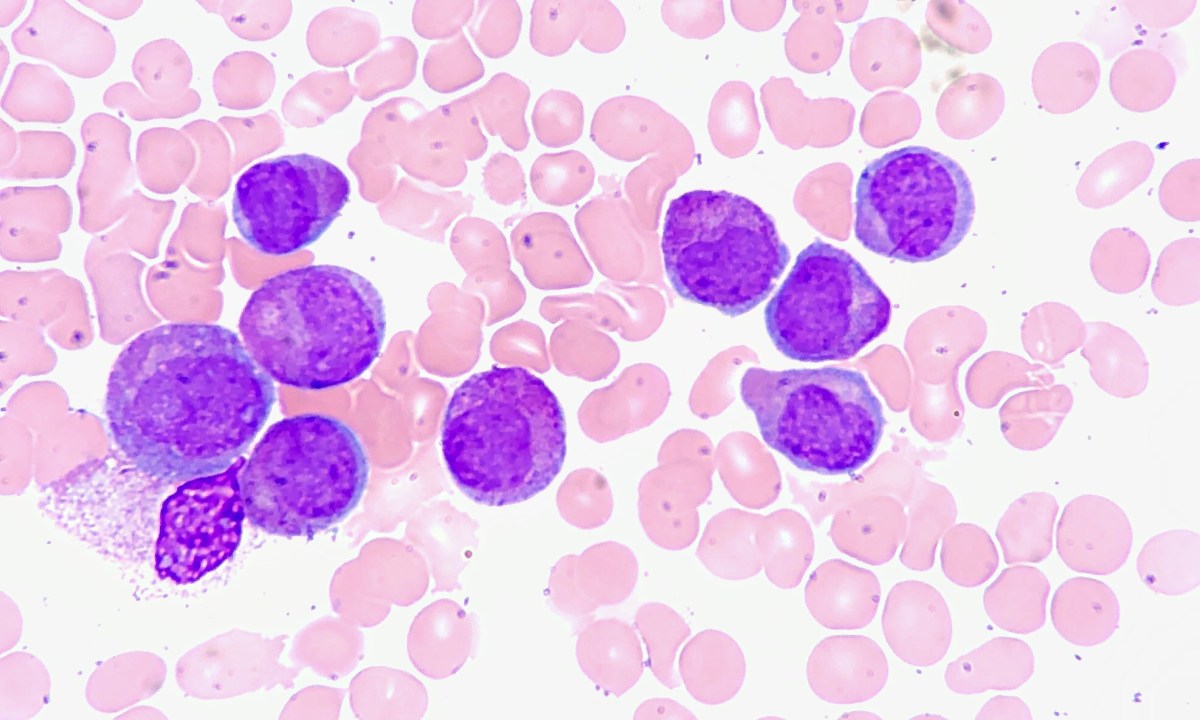
Image of acute promyelocytic leukemia cells by Ed Uthman

This is a reposting of my Scope blog story, courtesy of Stanford School of Medicine.

Tackling caregiver depression in rural China: A Q&A

After studying early childhood development in China for several years, Alexis Medina, assistant director of Stanford’s Rural Education Action Program (REAP), and her colleagues got a question from a colleague that opened up a whole new line of inquiry. I spoke with Medina recently to learn more:

How did your project on caregiver depression get started?

We have been studying early childhood development in rural China since 2012. We’ve learned that rural babies and toddlers in China lag behind global averages on a number of outcomes, including nutrition, cognition and both language and social-emotional development. Parenting behaviors are also lacking — less than half of rural parents read to, play with or tell stories to their young children. And fewer than 10% of families engage in all three behaviors.

During a seminar in London, an Oxford psychology professor asked us if part of the reason for these low cognition levels and low rates of engagement might be maternal or grandmother depression. We hadn’t considered this before, and felt it was worthy of deeper study.

What did your study find?

We added in a measure of adult depression to our survey forms, and then conducted a large-scale survey of 1,787 caregivers across 118 villages in one northwestern province. When the results (which appear in Frontiers in Psychology) came back, we were shocked. Nearly one-quarter of women caregivers showed signs of depression. As our Oxford friend predicted, depressed caregivers were also significantly more likely to have children with social-emotional delays.

We also found a large generational disparity: under 20% of mothers showed signs of depression, compared with 35% of grandmothers. This was actually the opposite of what we expected going into the study.

In our study, we also conducted a series of in-depth household interviews with 55 of the caregivers to delve deeper into the potential contributing factors associated with depression. We uncovered some interesting trends that we think of as side effects of a rapidly changing society.

For example, we found that depressed grandmothers consistently felt out of place both within their own household and in society at large. These women were brought up in a struggling rural economy to be farmers and farmers’ wives. Many cannot read. They feel like they’re unemployable in the modern economy, and therefore unable to meaningfully contribute to their family. Meanwhile, they’re often saddled with full-time childcare for energetic toddlers whose parents are off in the big cities working skilled jobs. They are tired, they are lonely and they repeatedly told us that they feel ‘worthless.’

How does mental health differ in China?

We know from our research that there is little understanding of mental health among rural families. We found indications of depression among many rural women caring for toddlers, yet less than half of these had even heard of depression. Mental health is highly stigmatized. And there are a lot of misconceptions, such as assuming everyone with a mental health issue will behave in extreme ways: ‘standing naked in freezing water,’ ‘doing stupid things’ or engaging in violence. And treatment is nearly non-existent.

There is relatively more research done on mental health in urban areas of China. This research shows that levels of stress, anxiety and depression are also quite high. Although there are still large misperceptions about the sources of mental health problems and ways of treating these conditions among urban Chinese, their understanding is much better than that of rural Chinese residents.

What are the next steps?

Our next steps will be to explore ways of addressing these high rates of caregiver depression. We’ve built over 100 village-based parenting centers, where caregivers and their children can visit and play together six days a week. By building a sense of community and empowering caregivers, we hope to help alleviate some of the depressive symptoms we’ve observed. One of our graduate students is currently measuring the impact of these centers on caregiver depression.

We’re also working on an intervention that will provide caregivers with monthly, in-home mental health support. We would like to also learn more about any existing resources offered through rural health centers, and see if we can work with local governments to build on existing programs.

On the most fundamental level, there needs to be more awareness of the issues — from both families and health care workers — so that talking about mental health can become less stigmatized.

Photo by Laura Jonsson courtesy of REAP

This is a reposting of my Scope blog story, courtesy of Stanford School of Medicine.

Will antidepressants work? Brain activity can help predict

You, or someone you care about, probably take an antidepressant — given that one in eight Americans do. Despite this widespread use, many experts question whether these drugs even work. Studies have shown that antidepressants are only slightly more effective than a placebo for treating depression.

“The interpretation of these studies is that antidepressants don’t work well as medications,” said Stanford psychiatrist and neurobiologist Amit Etkin, MD, PhD. “An alternative explanation is that the drugs work well for a small portion of people, but we’re giving them to too broad of a population and diminishing overall efficacy. Right now, we prescribe antidepressants based on patients’ clinical symptoms rather than an understanding of their biology.”

In a new study, Etkin and his collaborators sought a biologically-based method for predicting whether antidepressants will work for an individual patient.

The researchers analyzed data from the EMBARC study, the first randomized clinical trial for depression with both neuroimaging and a placebo control group. EMBARC included over 300 medication-free depressed outpatients who were randomized to receive either the antidepressant sertraline (brand name Zoloft) or a placebo for eight weeks.

Etkin’s team analyzed functional magnetic resonance imaging (fMRI) data — taken before treatment started — to view the patients’ brain activity while they performed an established emotional-conflict task. The researchers were interested in the brain circuitry that responds to emotion because depression is known to cause various changes in how emotions are processed and regulated.

During the task, the patients were shown pictures of faces and asked to categorize whether each facial expression depicted fear or happiness, while trying to ignore a word written across the face. The distracting word either matched or mismatched the facial expression. For example, the fearful face either had “happy” or “fear” written across it, as shown below.

Participants were asked to decide if this expression was happy or fearful.
(Image courtesy of Amit Etkins)

As expected, having a word that was incongruent with the facial expression slowed down the participants’ response time, but their brains were able to automatically adapt when a mismatch trial was followed by another mismatch trial.

“You experience the mismatched word as less interfering, causing less of a slowdown in your behavior, because your brain has gotten ready for it,” explained Etkin.

However, the participants varied in their ability to adapt. The study found that the people who could adapt well to the mismatched emotional stimuli had increased activity in certain brain regions, but they also had massively decreased activity in other brain regions — particularly in places important for emotional response and attention. In essence, these patients were better able to dampen the distracting effects of the stimuli.

Using machine learning, the researchers determined that they could use this fMRI brain activation signature to successfully predict which individual patients responded well to the antidepressant compared to the placebo.

“The better you’re able to dampen the effects of emotional stimuli on emotional and cognitive centers, the better you respond to an antidepressant medication compared to a placebo,” Etkin said. “This means that we’ve established a neurobiological signature reflective of the kind of person who is responsive to antidepressant treatment.”

This brain activation signature could be used to separate the people for whom a regular antidepressant works well from those who might need something new and more tailored. But it could also be used to assess potential interventions — such as medications, brain stimulation, cognitive training or mindfulness training — to help individuals become treatment responsive to antidepressants, he said.

“I think the most important result is that it turns out that antidepressants are not ineffective. In fact, they are quite effective compared to placebo if you give them to the right people. And we’ve identified who those people are using objective biological measures of brain activity.”

The team is currently investigating in clinics around the country whether they can replace the costly fMRI neuroimaging with electroencephalography, a less expensive and more widely available way to measure brain activity.  

Etkin concluded with a hopeful message for all patients suffering from depression: “Our data echoes the experience that antidepressants really help some people. It’s just a question of who those people are. And our new understanding will hopefully accelerate the development of new medications for the people who don’t respond to an antidepressant compared to placebo because we also understand their biology.”

Feature image by inspiredImages

This is a reposting of my Scope blog story, courtesy of Stanford School of Medicine.

Looking beyond drug treatments for parasitic disease

A Stanford study investigates the barriers to controlling parasitic disease and possible interventions beyond mass drug and education campaigns.

Just two doses of praziquantel can effectively treat adults and children for schistosomiasis — a disease caused by parasitic worms that develop and multiply inside infected freshwater snails, and then enter the water and penetrate the skin of people who are bathing or fishing.

So why are 200 million people worldwide, mostly in sub-Saharan Africa, still suffering from schistosomiasis despite widespread administration of this antiparasitic drug? Why are people in some “hot spot” regions re-infected over and over?

A new study explored these questions by surveying 74 residents from four rural villages along the Senegal River, a region with very high rates of schistosomiasis despite mass drug administration campaigns. In each village, the field team conducted focused discussion groups separately for adult men, adult women and mixed-gender youth to facilitate open conversation among peers. These different groups are known to have varied activities involving contact with the parasite-infested water

The study made three key findings. First, the researchers learned that many residents have a fairly sophisticated understanding of schistosomiasis risk, including knowing where and when infections occur, even though they don’t understand the underlying biological details. For example, the villagers realize infection risk increases midday — an observation supported by studies, which show snails tend to shed parasites in daily cycles that peak around noon.

Second, the scientists determined that residents use their knowledge to develop strategies to reduce their exposure to the parasite, such as avoiding the river at certain times or forbidding urination and defecation near the river or lake. In addition to personal strategies, some villages adopt written village-wide rules for water use that are enforced with fines.

Lastly, despite having translated knowledge into strategies to reduce disease risk, the researchers found that the residents are still consistently exposed to the parasite because their rural livelihoods depend on the river and lakes — even in villages with limited piped water. They use surface water to cultivate crops. They wade in the water to fish and do laundry. They harvest the cattail reeds to use for roofs, fences or floor mats. And children play in the water.

“There is a feeling of inevitability around schistosomiasis infection, given the constraints of poverty,” said Susanne Sokolow, PhD, a Stanford disease ecologist and study author with the Woods Institute for the Environment, in a recent Stanford news release. “That jibes with the experience of the many years of efforts to distribute pills and carry out educational campaigns in the regions without a huge drop in schisto transmission or infection.”

Instead of focusing exclusively on mass praziquantel distribution, the researchers also recommend using local community input to develop diverse environmental strategies for reducing infection risk. Possible interventions include chemical or biological snail control, provision of sanitation facilities and laundry platforms, removal of vegetation to reduce snail habitats and behavioral change interventions.

According to the study authors, the key is to work with the local communities to select interventions that take into account their specific social and environmental factors.

Photo by eutrophication&hypoxia / Fundraising | Wikimedia Commons   

This is a reposting of my Scope blog story, courtesy of Stanford School of Medicine.

What type of concussion is it? The answer could affect treatment

Joe felt irritable and overwhelmed. Carla had blurry vision and didn’t feel safe to drive. Meg had a pounding headache. But all three of them received the same diagnosis: concussion.

Concussion symptoms vary for different people depending on their medical history, age, degree of injury and other factors. To develop the most effective, personalized treatments, concussion experts across the country are working to learn more about how these variables impact concussion symptoms and recovery.

The researchers — including pediatric emergency medicine physician Angela Lumba-Brown, MD, and neurosurgeon Jamshid Ghajar, MD, PhD, from Stanford’s Brain Performance Center — identified five categories of concussions, which have different symptoms and require different initial treatments:

  • Vestibular — Symptoms include dizziness, fogginess, lightheadedness, nausea, vertigo and disequilibrium. Initially treated with balance and vestibular-ocular training with a physical therapist.
  • Ocular-motor — Symptoms include difficulties with reading and driving, eye strain, problems changing focus between near and far, blurred or double vision, eye pain, vision-derived nausea and photophobia. Initially treated with dynamic vision training with an optometrist. 
  • Headache — Symptoms include different types of headaches, including migraines. Initially treated with headache management.
  • Cognitive — Symptoms include problems with attention, reaction time, working memory, new learning, memory retrieval, organization of thoughts and behavior. Initially treated with neuropsychological assessment and treatments.
  • Anxiety-Mood — Symptoms include nervousness, hypervigilance, ruminative thoughts, depressed mood, anger, irritability, loss of energy, fatigue and feeling more emotional, overwhelmed or hopeless. Initially treated with counseling, including cognitive-behavioral therapies.

The findings appear in Neurosurgery.

However, diagnosing concussions and selecting the correct treatments is a bit more complicated than this list may indicate, Ghajar and Lumba-Brown explained. “These subtypes are not mutually exclusive and they frequently cluster together,” Ghajar said.

This interdependence isn’t all bad news though, because the headache, cognitive and anxiety-mood concussion subtypes often resolve after treating for vestibular and ocular-motor concussion symptoms. Also, early cardiovascular exercise is recommended for all subtypes.

In addition, the experts determined the prevalence of these concussion subtypes in adults and children based on a meta-analysis of previous studies. The most common subtype depends on when a patient is seen, as well as their medical history and age.

“Early on, the headache subtype is the most prevalent for both adult and pediatric populations, and it usually co-exists with the vestibular and ocular-motor subtypes,” said Ghajar. “Weeks to months after injury, the mood subtype with symptoms of anxiety and depression predominates, usually because of inadequate interventions. The prevalence of the vestibular subtype was also very high for pediatric patients.”

The working group also found that sleep disturbance and cervical strain were commonly associated with all five concussion categories. Sleep disturbance symptoms include difficulty falling asleep, frequent awakenings and fatigue, whereas cervical strain symptoms include neck pain, neck stiffness and upper extremity weakness.

According to Lumba-Brown, this work is particularly important because it addresses subtypes in children, a vulnerable subset of patients with unique needs. “Children are expected to go to school daily. They often play sports or engage in risk-taking behaviors. And they often have difficulty expressing their symptoms,” said Lumba-Brown, who recently helped develop clinical guidelines for children with mild traumatic brain injury.

The experts said they hope that a better understanding of the different kinds of concussions and their prevalence will ultimately translate into improved treatment and faster recovery for patients of all ages. The team is now investigating the recovery trajectories for the different subtypes — from the acute period through three months following injury.

They offered clinicians guidance in light of the findings: “Clinicians should assess each subtype of impairment in the acute setting following injury, encourage early cardio exercise and provide prognostic counseling for mood and sleep disturbances.”

Photo by Staff Sgt. Jonathon Fowler/U.S. Air Force

This is a reposting of my Scope blog story, courtesy of Stanford School of Medicine.

Creating a new primary care clinic for cancer survivors

As a cancer survivor, I know how finishing treatment can feel both happy and unsettling. I was ecstatic to be done with chemotherapy and radiation therapy, but I worried about recurrence and long-term treatment side effects. Whenever I went to a cancer checkup, I wore silly socks to remind myself to smile. And decades later, I still have to be vigilant with periodic screening tests like breast MRIs due to increased health risks from radiation.

Quality survivorship care requires a strong collaboration between oncology and primary care clinicians, particularly as patients complete their treatment. To help patients during this critical time, Stanford is piloting a cancer survivorship clinic embedded in the practice of primary care physician Jennifer Kim, MD. I recently corresponded with her to learn more.

What inspired you to focus on cancer survivorship care?

“When medical oncologist Lidia Schapira, MD, and I met about 2 years ago, we discussed her ideas of integrating primary care into survivorship at Stanford. All primary care practices, including my own, already care for survivors. As this is not a topic that I learned about in training, I wasn’t sure what would be different about calling it survivorship.

I learned more by attending national conferences and reviewing online curricula on survivorship. I also spent clinic days with oncologists as they saw patients. As I started to learn about survivorship, I realized that cancer and cancer treatment changes all aspects of patients’ health — medical, emotional and social — for the rest of their lives.”

How does your clinic work?

“Together with Lidia Schapira, I started Stanford’s Primary Care Cancer Survivorship clinic. I’m currently the only primary care physician doing this at Stanford and I see patients for two half days per week in the Hoover primary care clinic. My visits are consultative, meaning patients come to see me for one to several visits to discuss a complete survivorship plan, which they can bring back to their primary care physician for ongoing care.

The focus of my visits is to detail a full treatment history and make a personalized survivorship plan for issues such as cancer surveillance, potential long-term and late effects of treatment, psychosocial concerns, co-morbidities and preventative care. I create this history and plan together with the patient, so both the patient and their whole care team will understand the content.

Having the clinic embedded in my primary care clinic — a different building and environment than the oncology department — helps us physically and mentally shift gears and transition to a primary care-based survivorship plan.”

What have you learned?

“I’ve learned the most powerful survivorship lessons from my patients and their experiences. I’ve learned not to assume what my patients are struggling with. Instead, by asking about their experiences and listening to their concerns, I can better understand what is really important to each individual. I’ve also found that it is very important to be open about and sensitive to emotional and psychosocial issues, including fear of recurrence, anxiety, fertility and sexual health. These topics are rarely the focus of oncology visits and patients don’t know who to ask.

I now realize that survivors often struggle with the transition from oncology care back to primary care-based care. It’s a challenging, overwhelming and emotional time when many still have significant long-term effects of treatment and multiple specialist visits. Patients often voice a need for a ‘quarterback’ to help guide them through the next phase of recovery — finding health after cancer.”

Do you have any advice for other primary care physicians?

“Primary care physicians can and should be an essential part of survivorship and health after cancer. However, there are currently many barriers to survivorship being integrated into primary care — a knowledge gap, disparate electronic medical records, limited appointment time and patient concerns over whether primary care physicians are able to manage survivorship.

Many primary care physicians aren’t confident in their own survivorship knowledge, as there are so many cancers and so many treatments to keep track of, even in terms of surveillance recommendations and potential long-term effects. This is why shared care with specialists and continuing education can make a great impact in this area of increasing need.

With the help of a great team, Lidia and I are developing an online course with video, animation and text to help primary care physicians gain more knowledge, resources and confidence in their long-term care of survivors. We hope to distribute this widely when it is ready.

We’ve also started to create a patient-facing survivorship course that will focus on self-management, communication and resources. We hope this will help patients better navigate survivorship issues on their own and with their care team.”

Photo by Pamela Williams

This is a reposting of my Scope blog story, courtesy of Stanford School of Medicine.

How does radiation in space affect the brain?

Exposure to deep space poses many potential risks to the health of astronauts, but one of the biggest dangers is space radiation. Above Earth’s protective shielding, astronauts are exposed to radiation from energetic charged particles that increases their risk of cancer, damage to the central nervous system and a host of other health problems.

A new study has now investigated how chronic, space-like irradiation impacts the brain function of mice. To learn more, I spoke with Ivan Soltesz, PhD, a senior author on the study and a professor of neurosurgery and neurosciences at Stanford.

What was the goal of your study?

“Our basic question was ‘what happens to your brain during a mission to Mars?’ So far, only the Apollo astronauts have traveled far enough beyond the Earth’s protective magnetic field to be exposed to similar galactic cosmic radiation levels, albeit only for short durations.

In previous rodent studies, my lab observed that neuronal function is disrupted by low levels of radiation, a fraction of the dose used for cancer therapy. However, technical constraints required us to deliver the entire radiation dose within minutes, rather than across several months as during a mission to Mars. In the current study, we are the first to investigate the impact of prolonged radiation exposures, at Mars-relevant doses and dose rates, on the neurological function. We used a new neutron irradiation facility at Colorado State University.”

What part of the brain did you study?

“The hippocampus, which is critical for several important brain functions, including the formation of new memories and spatial navigation. And the medial prefrontal cortex, which is important for retrieving preexisting memories, making decisions and processing social information. Thus, deficits in either of these two brain regions could detrimentally impact the ability of astronauts to safely and successfully carry out a mission to Mars.”

What did you find?

“My lab at Stanford measured electrical properties of individual neurons from mice that were exposed to six months of chronic neutron radiation. We determined that after chronic radiation exposure, neurons in the hippocampus were less likely to respond to incoming stimuli and they received a reduced frequency of communication from neighboring neurons.

Our collaborators at UC, Irvine found that chronic neutron radiation also caused neuronal circuits in both the hippocampus and medial prefrontal cortex to no longer show long-lasting strengthening of their responses to electrical stimulation, normally referred to as long-term potentiation. Long-term potentiation is a cellular mechanism that allows memory formation.

Our collaborators also conducted behavioral tests. The mice displayed lasting deficits in learning, memory, anxiety and social behavior — even months after radiation exposure. Based on these results, our team predicts that nearly 1 in 5 astronauts would experience elevated anxiety behavior during a mission to Mars, while 1 in every 3 astronauts would struggle with memory recall.”

How can these findings facilitate safe space exploration?

“By understanding radiation risks, future missions can plan practical changes — such as locating astronaut sleeping spaces towards the center of the spacecraft where intervening material blocks more incoming radiation — that may help to mitigate the risks associated with interplanetary travel.

However, my lab believes the best way to protect astronauts from the harmful effects of space radiation is to understand at a basic science level how neuronal activity is disrupted by chronic radiation exposures.

One promising sign is that radiation exposures that occur in space rarely cause neurons in the brain to die, but rather cause smaller scale cellular changes. Thus, we should be able to develop strategies to modulate neuronal activity to compensate for radiation-induced changes. Our team is already starting a new set of chronic space-radiation experiments to test a candidate countermeasure drug.”

Would you ever go to space, given how harmful it is on the human body?

“The radiation risks we discovered are mostly a concern for travel beyond low earth orbit, such as months-long missions to Mars. Shorter trips to the moon — such as the Apollo missions — or months spent in Earth orbit aboard the International Space Station appear to pose a much lower risk of radiation-induced cognitive deficits. I would definitely like to go into space for at least a few quick orbits.

I’m also confident that my lab and others will expand our understanding of how chronic radiation impacts the nervous system and to develop the effective countermeasures needed to enable safe missions towards the moon or Mars within the next decade. However, I’m not sure I’m ready to leave my lab unattended for two years while I take a sabbatical to Mars.”

Photo by ColiN00B

This is a reposting of my Scope blog story, courtesy of Stanford School of Medicine.

Stanford study shows the power of eco-friendly packaging for cigarettes

My eyes are drawn to eco-friendly packaging when I shop for groceries. It is how I pick my laundry detergent, dish soap and many other products from the litany of options. But I’ve learned to double-check whether these items are actually better for the environment, because there are a lot of misleading labels.

Companies know that pro-environmental marketing works. A new Stanford study shows it is even effective for cigarettes.

The researchers surveyed over 900 adults on their perception of two major cigarette brands: Pall Mall and Natural American Spirit. Pall Mall is marketed as a discount brand, while Natural American Spirit is marketed as environmentally friendly. For instance, the Natural American Spirit’s “Respect the Earth” campaign advertises a “zero-waste-to-landfill” facility and uses a logo with three tobacco leaves that mimics the recycling symbol.

The study participants were a mixture of current smokers, former smokers and people who have never smoked. All three groups consistently ranked Natural American Spirit cigarettes as being healthier and better for the environment than the Pall Mall cigarettes.

“Ecofriendly and natural food products are seen as safer for health,” said the study lead author Anna Epperson, PhD, a postdoctoral fellow with the Stanford Prevention Research Center, in a recent Stanford news release. “That couldn’t be farther from the truth when it comes to cigarettes.”

Both brands are actually manufactured by the same company, Reynolds American. And they have the same health impacts, including a significantly higher risk of heart disease, cancer and chronic obstructive pulmonary disease. They are also commonly discarded, resulting in toxic chemicals leaching into the soil and water supplies.

 “All commercially available cigarettes will kill more than half of long-term users if smoked as intended. Marketing language that obscures these health harms, even indirectly through questionable pro-environment claims, ought to be prohibited,” the study authors concluded.

This warning may be particularly important to the San Francisco Bay Area and other pro-environment and pro-health regions, where Natural American Spirit cigarettes are especially popular according to Epperson.

Photo by webyourlife

This is a reposting of my Scope blog story, courtesy of Stanford School of Medicine.

Stanford researchers watch proteins assemble a protective shell around bacteria

Many bacteria and viruses are protected from the immune system by a thin, hard outer shell  — called an S-layer — composed of a single layer of identical protein building blocks.

Understanding how microbes form these crystalline S-layers and the role they play could be important to human health, including our ability to treat bacterial pathogens that cause serious salmonella, C. difficile and anthrax infections. For instance, researchers are working on ways to remove this shell to fight anthrax and other diseases.

Now, a Stanford study has observed for the first time proteins assembling themselves into an S-layer in a bacterium called Caulobacter crescentus, which is present in many fresh water lakes and streams.

Although this bacteria isn’t harmful to humans, it is a well-understood organism that is important to various cellular processes. Scientists know that the S-shell of Caulobacter crescentus is vital for the microbe’s survival and made up of protein building blocks called RsaA.  

A recent news release describes how the research team from Stanford and SLAC National Accelerator Laboratory were able to watch this assembly, even though it happens on such a tiny scale:

“To watch it happen, the researchers stripped microbes of their S-layers and supplied them with synthetic RsaA building blocks labeled with chemicals that fluoresce in bright colors when stimulated with a particular wavelength of light.

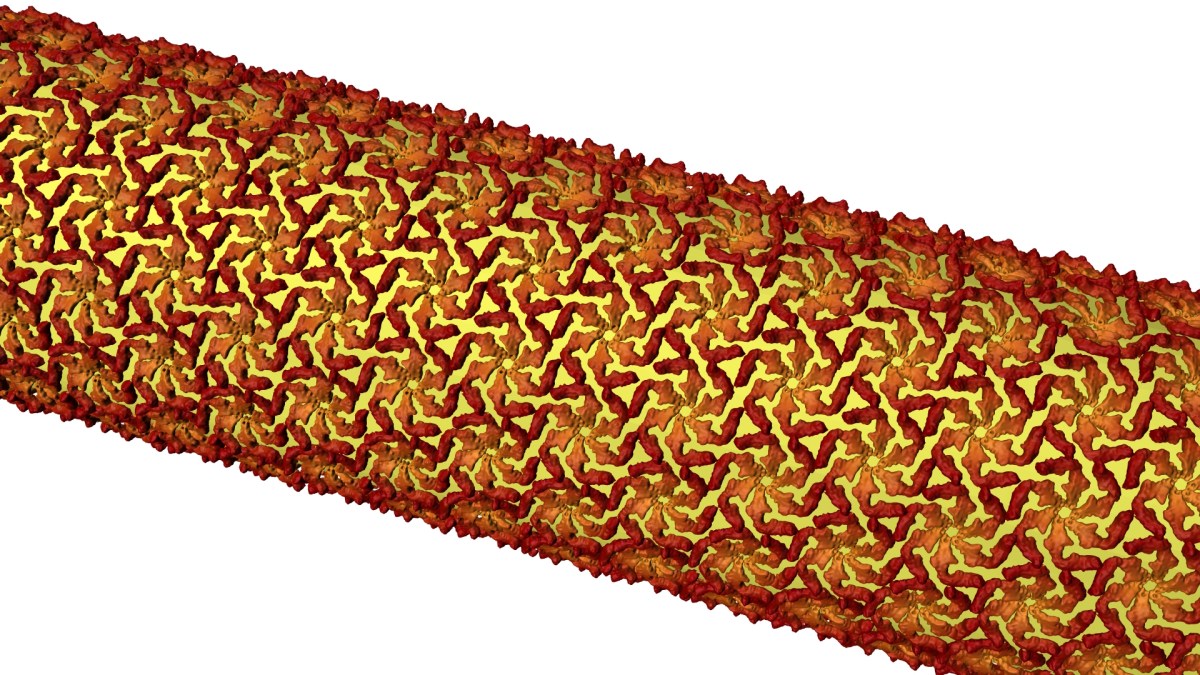
Then they tracked the glowing building blocks with single-molecule microscopy as they formed a shell that covered the microbe in a hexagonal, tile-like pattern (shown in image above) in less than two hours. A technique called stimulated emission depletion (STED) microscopy allowed them to see structural details of the layer as small as 60 to 70 nanometers, or billionths of a meter, across – about one-thousandth the width of a human hair.”

The scientists were surprised by what they saw: the protein molecules spontaneously assembled themselves without the help of enzymes.

“It’s like watching a pile of bricks self-assemble into a two-story house,” said Jonathan Herrmann, a graduate student in structural biology at Stanford involved in the study, in the news release.

The researchers believe the protein building blocks are guided to form in specific regions of the cell surface by small defects and gaps within the S-layer. These naturally-occurring defects are inevitable because the flat crystalline sheet is trying to cover the constantly changing, three-dimensional shape of the bacterium, they said.

Among other applications, they hope their findings will offer potential new targets for drug treatments.

“Now that we know how they assemble, we can modify their properties so they can do specific types of work, like forming new types of hybrid materials or attacking biomedical problems,” said Soichi Wakatsuki, PhD, a professor of structural biology and photon science at SLAC, in the release.

Illustration by Greg Stewart/SLAC National Accelerator Laboratory

This is a reposting of my Scope blog story, courtesy of Stanford School of Medicine.