Head injuries alter genes linked to serious brain disorders, new study shows

Photo by geralt

Traumatic brain injuries, like those caused by concussions, are common. But suffering even a mild brain injury boosts the likelihood of developing neurological and psychiatric disorders, such as Alzheimer’s disease and posttraumatic stress disorder, years later. Exactly how and why that happens remains a mystery.

“Very little is known about how people with brain trauma — like football players and soldiers — develop neurological disorders later in life,” said Fernando Gomez-Pinilla, PhD, a University of California, Los Angeles professor of neurosurgery and of integrative biology and physiology, in a recent news release.

Now, Gomez-Pinilla and his colleagues have discovered that a brain injury harms “master” genes that control other genes throughout the body. This triggers the alteration of hundreds of genes, which are linked to disorders like Alzheimer’s disease, Parkinson’s disease, PTSD, attention deficit hyperactivity disorder and depression. Their study was recently published in EBioMedicine.

In the study, the researchers trained 20 rats to navigate through a maze. They then injected a fluid into the brain of half the rats to simulate a concussion-like brain injury. When all the rats were retested in the maze, the rats with a brain injury took about 25 percent longer than the controls to solve the maze — indicating a change in basic cognitive function.

Next, the team investigated how the brain injuries altered the rats’ genes. They analyzed RNA samples from the rats’ white blood cells and hippocampi, the part of the brain that plays a central role in memory processes. In the injured rats, they found almost 300 genes had been altered in the hippocampus and over 1200 genes in the white blood cells.

More than 100 of these altered genes have counterparts in humans that are linked to neurological and psychiatric disorders. The researchers concluded that concussive brain injury reprograms key genes and this reprogramming could make neurological and psychiatric disorders more likely.

In addition, almost two dozen of the altered genes occurred in both the hippocampus and white blood cells. The researchers hope this genetic signature can be used to develop a gene-based blood test that determines whether a brain injury has occurred and whether future neurological disorders are likely.

They also hope their identification of master genes can give scientists new targets to develop better pharmaceuticals for brain disorders. However, more research is needed to fully understand the role of these master genes. Gomez-Pinilla said he now plans to study the phenomenon in people who have suffered a traumatic brain injury.

This is a reposing of my Scope blog story, courtesy of Stanford School of Medicine.

Feeling fatigued? Your genes may be partially responsible, a new study says

Photo by geralt

How often, in the last two weeks, have you felt tired or lacked energy?

Daily? Never? For me, and I’m guessing for many of you, the answer is somewhere in between.

Researchers posed that question to tens of thousands of study participants to investigate whether tiredness has a genetic basis. They found that genes play a small but significant role in overall fatigue.

The multi-institutional team of researchers analyzed genetic data from the UK Biobank for 108,976 individuals who reported whether they had felt tired in the last two weeks. The participants selected four possible answers, ranging from “not at all” to “nearly every day”; most answered either “not at all” or “several days.”

The researchers found that genetic factors account for about 8 percent of the participants’ differences in self-reported tiredness, according to a paper recently published in Molecular Psychiatry. This implies that tiredness is largely due to other factors, such as not getting enough sleep.

Some inherent factors such as personality traits or poor health can contribute, however. By averaging tiredness across a large sample and performing a genomic-wide association study, the researchers identified genetic links between tiredness and inherent factors — using the UK Biobank’s data on the participants’ physical health, mental health, personality and cognitive functioning.

They found that an individual’s genetic predisposition to some physical and mental illnesses — not just the presence of these illnesses — was associated with feeling tired. For instance, people who were genetically prone to Type 2 diabetes were also prone to tiredness, even if they did not have diabetes.

The authors summarized that tiredness is a “partly heritable, heterogeneous and complex phenomenon,” which requires further research to fully understand. However, they indicate that most people’s differences in tiredness can be attributed to external factors such as the lack of sleep.

This is a reposting of my Scope blog story, courtesy of Stanford School of Medicine.

Stanford study seeks to make cycling safer and more comfortable

Image by OpenClipart-Vectors

When I think about bicycle safety, I think of helmets, lights and strategies to share the road with cars.

But physicians have a different perspective — too many hours on a bicycle saddle can compress vital arteries and nerves to cause numbness, pain and sexual dysfunction. This risk is likely affected by the design of the saddle, fit of the bike, riding position, ride duration and a host of other factors.

But there’s a lot that remains unknown. So Michael Eisenberg, MD, an assistant professor of urology at Stanford, is conducting the Stanford CYCling and Lower Effects (CYCLE) study to hone in on the factors affecting the comfort and safety of cycling. He’s collaborating with Roger Minkow, MD, a Bay Area-based saddle designer and ergonomic consultant.

The researchers are inviting volunteers to answer a brief online survey about their bicycling habits, equipment and health. I recently reached out to Eisenberg to learn more.

What inspired you to conduct the CYCLE study?

“About 20 years ago, several studies demonstrated an association between cycling, erectile dysfunction and even infertility. Many of these health issues can be reversed if caught early, but they can become permanent over time. Since then, the bicycle industry has undergone a major redesign of equipment to try to mitigate the risk. And it’s been years since a large study has been conducted to understand the current prevalence of sexual dysfunction in riders and to understand if there are cycling related factors — such as duration of riding and saddle design — that are contributing.

Cycling is quite popular in this area and I have several patients who have come in over the years complaining of genital pain, numbness or performance issues. Recently, the saddle designer Roger Minkow reached out to me about the topic. We created and initiated the CYCLE study in October 2016 to help understand the current state of cycling on pelvic and sexual health for male and female riders. We’re very excited about the study and hope it will help make the sport safer and more comfortable.”

How can cyclists participate?

“Cyclists participate in the study by completing a brief online survey that takes about 15 minutes. In the survey, we obtain a comprehensive look at the cycling habits of men and women, including the type of riding they do, their intensity level and details about their equipment. We then ask participants about their overall health — such as their weight, body measurements and basic medical history. Finally, we ask validated questions related to sexual function and how it corresponds to their riding habits.

Nearly 1500 people have participated in the study so far. There are so many different types of cyclists and equipment in common use. In order for us to effectively compare these, we need about 8500 more participants.”

Can you give an example of how you treat a cycling-related health problem?

“I recently saw a man with persistent penile numbness after several long bike rides. We reviewed risk factors and pelvic anatomy related to his condition. We then discussed certain cycle practices he can modify to allow him to be able to cycle as much as he’d like without the symptoms, and these modified practices have worked well.

In generally, cyclists really love to ride so my goal is not to tell them to stop. I look at a patient’s equipment, body position, saddle design, riding habits, and when symptoms occur — to come up with a personalized strategy for that rider. In select cases, I even prescribe some medications to help circulation.”

Do you cycle?

“Yes, I cycle on the road for both pleasure and exercise. We live in a beautiful area. One of my favorite rides is around my neighborhood along Foothill Expressway and Junipero Serra Boulevard.”

This is a reposting of my Scope blog story, courtesy of Stanford School of Medicine.
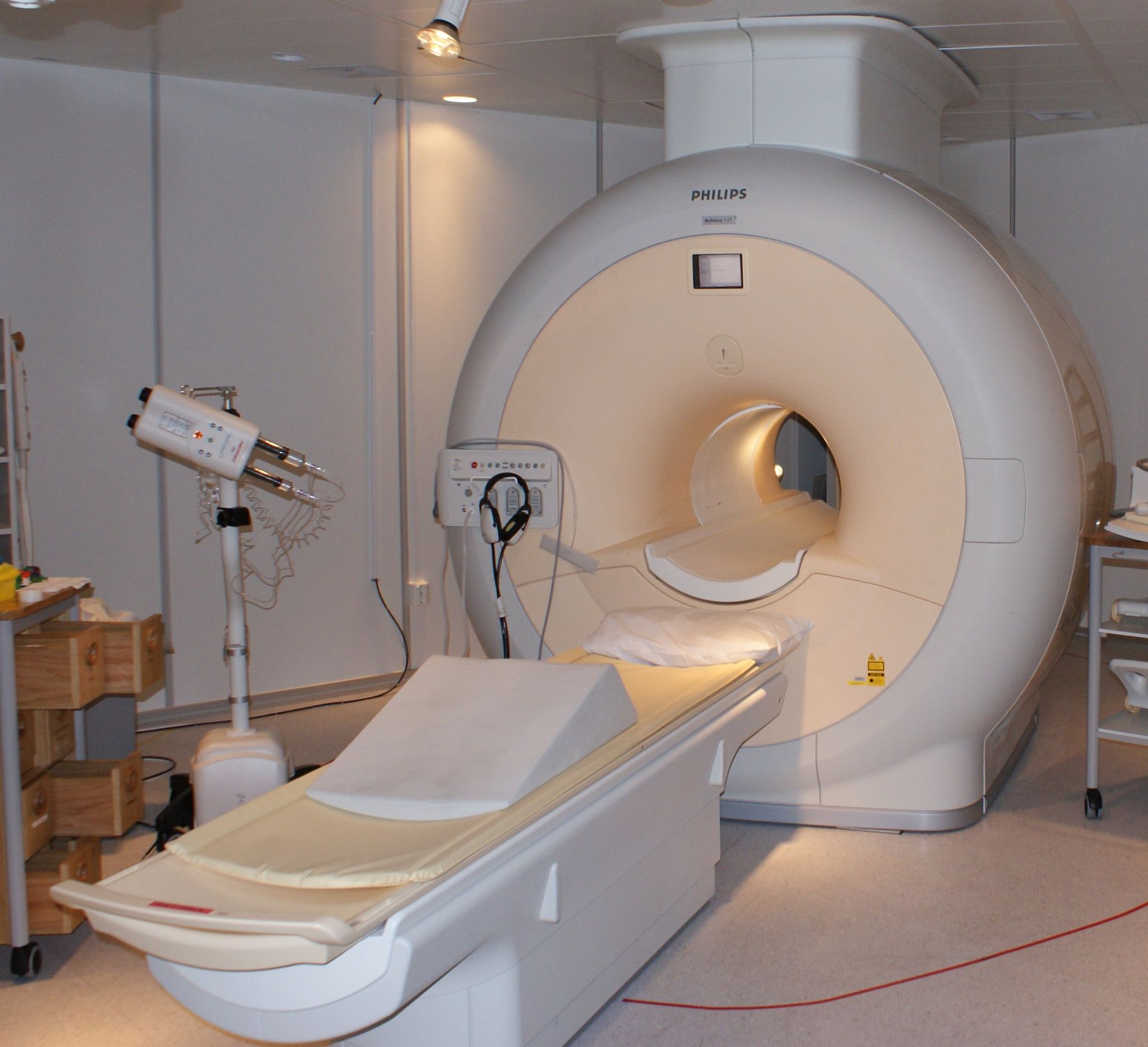
Do MRI scans damage your genes?

Photo by Jan Ainali
Photo by Jan Ainali

MRI is a powerful, non-invasive diagnostic tool widely used to investigate anatomical structures and functions in the body.

Though generally considered to be safe, several studies in the last decade have reported an increase in DNA damage, or genotoxicity, due to cardiac MRI scans. Other research doesn’t support these findings — raising the controversial question of whether an MRI’s electromagnetic fields pose a health threat.

A multi-institutional research team explored this issue by reviewing the literature published between 2007 and 2016. Specifically, the group considered three questions during their review:

  • Do MRIs really cause genotoxicity?
  • What are the potential adverse health effects of exposure to MRI electromagnetic fields?
  • What impact does this have on patient health?

As outlined in a commentary appearing in Radiation Research, the evidence correlating MRIs with genotoxicity “is, at best, mixed.” After emphasizing the limitations of existing studies, which typically included at most 20 participants and lacked sufficient quality control measures, the authors summarized:

“We conclude that while a few studies raise the possibility that MRI exams can damage a patient’s DNA, they are not sufficient to establish such effects, let alone any health risk to patients. … We consider that genotoxic effects of MRI are highly unlikely.”

A previous 2015 review paper published in Mutation Research called for comprehensive, international, multi-centered collaborative studies to address this issue, using a common and widely used MRI exposure protocol with a large number of patients.

The authors of the new review note that such studies would be very expensive and would require hundreds of thousands of participants, which may not be warranted.

“If you want to do something next, do a very well-designed, large study of the types that have already been done, but with better statistics and better controls,” said John Moulder, PhD, a professor emeritus at the Medical College of Wisconsin, in a recent news story. “And make sure that this punitive genotoxicity is even real before beginning more expensive follow-up studies.”

This is a reposting of my Scope blog story, courtesy of Stanford School of Medicine.

Computer algorithm predicts outcome for leukemia patients

Image by PeteLinforth

Researchers have developed a machine-learning computer algorithm that predicts the health outcome of patients with acute myeloid leukemia — identifying who is likely to relapse or go into remission after treatment.

Acute myeloid leukemia (AML) is a cancer characterized by the rapid growth of abnormal white blood cells that build up in the bone marrow and interfere with the production of normal blood cells.

A standard tool used for AML diagnosis and treatment monitoring is flow cytometry, which measures the physical and chemical characteristics of cells in a blood or bone marrow sample to identify malignant leukemic cells. The tool can even detect residual levels of the disease after treatment.

Unfortunately, scientists typically analyze this flow cytometry data using a time-consuming manual process. Now, researchers from Purdue University and Roswell Park Cancer Institute believe they have developed a machine-learning computer algorithm that can extract information from the data better than humans.

“Machine learning is not about modeling data. It’s about extracting knowledge from the data you have so you can build a powerful, intuitive tool that can make predictions about future data that the computer has not previously seen — the machine is learning, not memorizing — and that’s what we did,” said Murat Dundar, PhD, associate processor at Indiana University-Purdue University, in a recent news release.

The research team trained their computer algorithm using bone marrow data and medical histories of AML patients along with blood data from healthy individuals. They then tested the algorithm using data collected from 36 additional AML patients.

In addition to being able to differentiate between normal and abnormal samples, they were able to use the flow cytometry bone marrow data to predict patient outcome — with between 90 and 100 percent accuracy — as recently reported in IEEE Transactions on Biomedical Engineering.

Although more work is needed, the researchers hope their algorithm will improve monitoring of treatment response and enable early detection of disease progression.

Dudar explained in the release:

“It’s pretty straightforward to teach a computer to recognize AML. … What was challenging was to go beyond that work and teach the computer to accurately predict the direction of change in disease progression in AML patients, interpreting new data to predict the unknown: which new AML patients will go into remission and which will relapse.”

This is a reposting of my Scope blog story, courtesy of Stanford School of Medicine.

New blood test could detect early-stage pancreatic cancer

Photo by PublicDomainPictures

Pancreatic cancer is one of the leading causes of cancer death, because it is seldom detected before the disease has spread to other organs. Only 8 percent of people with pancreatic cancer survive five or more years after diagnosis.

Now, researchers hope to change this bleak scenario with an improved blood test that can detect early-stage pancreatic cancer. A multi-institutional team led by Tony Hu, PhD, an associate professor at Arizona State University, recently reported on their results in Nature Biomedical Engineering.

The researchers first identified the presence of a protein in the blood, called ephrin type-A receptor (EphA2), which is overexpressed by pancreatic tumors. Next, they developed a biosensor using gold nanoparticles that selectively bind to EphA2, changing their light emitting properties. This allowed the team to quantify the amount of EphA2 in a blood sample to see if it is overexpressed.

They validated their biosensor in a pilot study involving 48 healthy people, 59 patients with stage I-III pancreatic cancer and 48 patients with chronic pancreas inflammation. The later condition is often confused with pancreatic cancer using existing diagnostic tests like ultrasound.

The biosensor was able to accurately identify the patients with pancreatic cancer — even those with early stage disease — as well as the patients with chronic pancreas inflammation. If these results are validated with a larger clinical trial, the blood test could screen for pancreatic cancer and could be adapted for other diseases.

“We are now working on lung cancer and lymphoma and have very positive results,” Hu said in a recent news story. “In addition to cancer, we are conducting a project on tuberculosis diagnosis. Theoretically this test could be applied to any type of disease.”

This is a reposting of my Scope blog story, courtesy of Stanford School of Medicine.

Unable to smell? One Stanford researcher is working to improve therapies

adult-19033_1920
Photo by PublicDomainPictures

I don’t often think about my sense of smell, unless I’m given a fragrant flower or walk past someone smoking. But the ability to smell is both critical and underappreciated, according to Zara Patel, MD, a Stanford assistant professor of otolaryngology, head and neck surgery.

A smell begins when a molecule — say, from a flower — stimulates the olfactory nerve cells found high up in the nose. These nerve cells then send information to the brain, where the specific smell is identified. Anything that interferes with these processes, such as nasal congestion or damage to the nerve cells, can lead to a loss of smell.

I recently spoke with Patel about the loss of the sense of smell, a condition known as anosmia.

How does losing the sense of smell impact patients?

“If asked which sense they’d give up first, most people would likely choose their sense of smell. It’s only after the loss of olfaction that its significant impact on our lives is appreciated. Our sense of smell plays a key role in a vast array of basic human interactions, such as what attracts us to sexual partners, what keeps us in committed relationships and how maternal bonding occurs with newborns. It’s also one of our most basic protective mechanisms that allows us to wake up in the midst of a fire and prevents us from eating spoiled food. And importantly — keeping in mind that our ability to taste is highly dependent on our ability to smell — the inability to enjoy food and related social activities often causes social isolation, depression and malnutrition.”

What causes olfactory loss?

“There are over 100 reasons why people can lose their sense of smell. However, the majority of people lose it from sinonasal inflammatory disease, post-viral infections, traumas or tumors. Unfortunately, olfactory loss is often of “idiopathic” origin, meaning we just don’t know what caused it. That is why research in this area is so important.

It’s also important to be treated as early as possible. It is always frustrating to see someone who lost their sense of smell over a year ago, but they weren’t referred to me at the time or were told that nothing could be done. Those are missed opportunities that will negatively impact those patients for the rest of their lives.”

How do you treat patients who can no longer smell?

“The treatment really depends on the reason for loss, and may include surgery or medications. For those who lose the ability to smell after trauma, post-viral infection or when we don’t know why it happened, olfactory training can be used, which is a very simple protocol that patients can do at home. The patients smell several essentials oils in a structured way twice a day, every day, over a long period of time. The oils — rose, eucalyptus, clove and lemon —stimulate different types of olfactory receptor cells in the nose. Although it does not help everyone, it has been shown to be effective in 30 to 50 percent of patients, across multiple origins of loss.

We don’t have an exact understanding of how and why it works. However, a study using functional MRI observed a change in how the brain responds to odors before and after olfactory training. Before the training, there was a chaotic array of random areas lighting up in the brain. After the training, the images showed a renewed pathway to the olfaction center in the brain. We also know that the olfactory nerve has an inherent ability to regenerate. We’re trying to take advantage of this fact and ‘switch on’ those regenerative cells.

I have many patients who have benefited from olfactory training, including some who need their sense of smell for their livelihood — such as chefs or wilderness guides. Being able to get that sense back has allowed them to continue doing what they’re passionate about and has increased their quality of life.”

What are you working on now?

“Although olfactory training has allowed us to help more patients, 30 to 50 percent improvement is still quite low and certainly not the final answer. That’s why the research I’m currently doing has me excited about the potential of using both stem cells and neurostimulation to advance this field. I hope to soon be able to offer alternative interventions to these patients.”

This is a reposting of my Scope blog story, courtesy of Stanford School of Medicine.

Stanford researchers develop simulations to improve heart surgeries

MRI or CT scans provide physicians with a detailed picture of their patients’ internal anatomy. Heart surgeons often use these images to plan surgeries.

Unfortunately, these anatomical images don’t show how the blood is flowing through the vessels — which is critical, according to Alison Marsden, PhD, a Stanford associate professor of pediatrics and of bioengineering. In the video above, she explains that many surgeons currently use a pencil and paper to sketch out their surgical plan based on the patient’s images. She hopes to change this.

Marsden and her colleagues at Stanford’s Cardiovascular Biomechanics Computational Lab are developing a new technique — using imaging data and specialized simulation software — to predict what is likely to happen during heart surgery.

“What we’re trying to do is bring in that missing piece of what are these detailed blood flow patterns and what might happen if we go in and make an intervention, for example, opening up a blocked blood vessel or putting in a bypass graft,” Marsden said in a recent Stanford Engineering news story.

Their open source software, called SimVascular, loads the imaging data, constructs a 3D anatomical model of the heart and then simulates the patient’s blood flow. It has already been used to help design the surgical plan for several babies born with a severe form of congenital heart disease, Marsden said. However, more research is needed to determine whether the technique improves patient outcomes before it can be widely used in the clinic.

This is a reposting of my Scope blog story, courtesy of Stanford School of Medicine.
What you need to know about e-cigarettes


Photo by 1503849
Photo by 1503849

E-cigarettes are extremely popular with millions of middle and high school students across the United States. Kids love the flavors — like strawberry, bubble gum, chocolate cake and cotton candy — and blowing vapor into rings. And, they are inundated with ads that tout e-cigarettes as cool, harmless alternatives to cigarettes.

But, not surprisingly, e-cigarettes aren’t really safe. A recent University of California news story outlines ten important facts about e-cigarettes, including how they can harm your health.

One of the biggest health concerns is that e-cigarettes contain nicotine, which is addictive and can lead to the use of traditional cigarettes. “A lot of kids who take up [nicotine-free] vaping are at low risk for smoking, but once they start using e-cigarettes, they are three to four times more likely to start using cigarettes,” said Stanton Glantz, PhD, a tobacco researcher at the University of California, San Francisco, in the article.

In addition, e-cigarettes can contain other harmful ingredients, including:

  • Ultrafine particles that can trigger inflammatory problems and lead to heart and lung disease
  • Toxic flavorings that are linked to serious lung disease
  • Volatile organic compounds
  • Heavy metals, such as nickel, tin and lead

Stanford’s Bonnie Halpern-Felsher, PhD, a developmental psychologist who has studied tobacco use, also commented in the piece:

“Youth are definitely using e-cigarettes because they think they are cool… Adolescents and young adults don’t know a lot about e-cigarettes. They think it’s just water or water vapor. They don’t understand it’s an aerosol. They don’t understand that e-cigarettes can have nicotine. They don’t understand that flavorants themselves can be harmful.”

Furthermore, when e-cigarette users exhale the mainstream vapor containing these toxins, they can cause secondhand health effects.

The article discusses other hazards as well, including the possibility of battery explosion, and the products’ mixed record on helping smokers quit. It concluded with a call for more research to better understand the long-term health effects of e-cigarettes.

This is a reposting of my Scope blog story, courtesy of Stanford School of Medicine.

Stanford researchers map brain circuitry affected by Parkinson’s disease

Image by iStock/D3Damon

In the brain, neurons never work alone. Instead, critical functions of the nervous system are orchestrated by interconnected networks of neurons distributed across the brain — such as the circuit responsible for motor control.

Researchers are trying to map out these neural circuits to understand how disease or injury disrupts healthy brain cell communication. For instance, neuroscientists are investigating how Parkinson’s disease causes malfunctions in the neural pathways that control motion.

Now, Stanford researchers have developed a new brain mapping technique that reveals the circuitry associated with Parkinson’s tremors, a hallmark of the disease. The multi-disciplinary team turned on specific types of neurons and observed how this affected the entire brain, which allowed them to map out the associated neural circuit.

Specifically, they performed rat studies using optogenetics to modify and turn on specific types of neurons in response to light and functional MRI to measure the resulting brain activity based on changes in blood flow. These data were then computationally modeled to map out the neural circuit and determine its function.

The research was led by Jin Hyang Lee, PhD, a Stanford electrical engineer who is an assistant professor of neurology and neurological sciences, of neurosurgery and of bioengineering. A recent Stanford News release explains the results:

“Testing her approach on rats, Lee probed two different types of neurons known to be involved in Parkinson’s disease — although it wasn’t known exactly how. Her team found that one type of neuron activated a pathway that called for greater motion while the other activated a signal for less motion. Lee’s team then designed a computational approach to draw circuit diagrams that underlie these neuron-specific brain circuit functions.”

“This is the first time anyone has shown how different neuron types form distinct whole brain circuits with opposite outcomes,” Lee said in the release.

Lee hopes their research will help improve treatments for Parkinson’s disease by providing a more precise understanding of how neurons work to control motion. In the long run, she also thinks their new brain mapping technique can be used to help design better therapies for other brain diseases.

This is a reposting of my Scope blog story, courtesy of Stanford School of Medicine.